https://arslansrsindia.in/wp-content/uploads/2021/09/E-Waste.jpg
Abstract
Artificial intelligence (AI) is revolutionizing waste management in the digital age by optimizing efficiency, minimizing environmental impact, and pioneering the transition toward a circular economy. Traditional waste management mechanisms are usually burdened with inefficiencies, inefficient utilization of resources, and harmful environmental degradation. Digital technologies, however, supported by AI, deliver paradigm-changing strategies for waste sorting out, recycling, and resource optimization and raise sustainability drives to a different dimension.
This research explores the capability of AI-powered digital solutions to optimize waste management systems to be more circular economy-friendly. AI-based automation, machine learning algorithms, and data analytics enable real-time monitoring of waste streams, predictive analysis for waste reduction, and smart recycling processes that maximize material recovery. The interconnectivity of Internet of Things (IoT) appliances also increases efficiency by enabling smart waste collection and monitoring systems, reducing operational expenditures while increasing efficiency in the utilization of resources. Blockchain technology is also critical in ensuring transparency and traceability in waste management, promoting accountability and compliance with sustainability policies.
A circular economy keeps materials in use as long as possible by replacing a linear “take-make-dispose” model with a regenerative one. Digital solutions empowered by artificial intelligence are centrally crucial to drive this transition at an accelerated pace through increasing the reuse of material, automating sorting plants, and optimizing recycling infrastructure. Smart waste bins, robot sorting technology, and artificial intelligence decision support enable efficient waste sorting, reducing landfill usage and enhancing the material recovery ratio. These technologies significantly assist in reducing carbon emissions and promoting environmentally friendly consumption patterns.
Besides, digitalization is revolutionizing policy-making and sector procedures. AI-driven waste tracking software is now widely adopted by governments and organizations to meet
regulatory levels and optimize waste handling. AI-enabled analytics provide deep insights that inform policy-making in minimizing waste, circular supply chains, and sustainable product design. Such innovations, accompanied by online platforms enabling consumer awareness and participation, enhance institutional and societal adoption of the circular economy.
This study highlights the reality that AI-based digital solutions are not only improving waste management but also revolutionizing sustainability in the modern world. The integration of digital technologies and circular economy principles provides a promising path towards a more resource-efficient and environmentally sustainable future. Intelligent automation, data-driven decision-making, and emerging digital innovations can help waste management become a better, cost-efficient, and environmentally responsible system.
Finally, the era of digitalization, characterized by the application of AI-based technologies, has the potential to revolutionize waste management and support the pillars of a circular economy. With digital solutions, industries, policymakers, and societies can collaborate and drive sustainable transformations to ensure that waste can be a valuable asset rather than an ecological nightmare. This research highlights investment in AI and digital innovations that need to be sustained to optimize waste management systems, reduce ecological footprints, and achieve long-term sustainability goals.
Keywords
Artificial Intelligence, Digital Solutions, Circular Economy, Sustainability, Waste Management, Smart Technologies, Automation, Resource Optimization, IoT, Blockchain.
INTRODUCTION
The fast growth of consumerism, industrialization, and urbanization in today’s world has made waste management a major challenge. Conventional techniques like incineration and landfilling have been around for a while, but they present significant risks to the economy, the environment, and public health. Sustainable waste management is an urgent issue since the growing amount of waste has resulted in significant pollution, resource depletion, and greenhouse gas emissions.
By emphasizing resource efficiency, waste reduction, and the encouragement of reuse, recycling, and recovery, the circular economy (CE) has become a revolutionary strategy for tackling these issues. To improve productivity, streamline procedures, and promote sustainability, however, widespread application of CE principles necessitates cutting-edge technological solutions. Smarter waste collection, automated sorting, predictive analytics, and data-driven decision-making are all made possible by artificial intelligence (AI) and digital technologies, which are essential to the revolution in waste management.
Waste management is changing as a result of AI-powered digital technologies like blockchain, Internet of Things sensors, and machine learning algorithms. Real-time waste level monitoring by smart bins with embedded sensors can optimize collection routes and reduce operating expenses. Automated sorting systems are improved by machine learning and computer vision, which increases recycling effectiveness and lowers contamination. Additionally, data analytics helps businesses and policymakers create more efficient waste management strategies by providing insightful information.
Through the use of AI-driven digital solutions, this study investigates waste management optimization within the context of the circular economy. It looks at how technology can reduce waste, increase recycling effectiveness, and promote sustainable resource management. Businesses, governments, and municipalities can move towards a more intelligent and sustainable waste management system by utilizing AI and digital tools, which will promote environmental preservation and economic growth.
In addition to improving operational effectiveness, digital solutions are transforming waste management public involvement. Digital branding campaigns, mobile applications, and social media platforms have developed into effective means of informing the public about environmentally friendly waste management techniques. To increase public awareness of recycling, composting, and responsible consumption, governments and organisations employ digital engagement tactics. Through the use of gamification strategies, such as interactive educational materials and recycling applications with rewards, digital tools support the development of eco-friendly consumer behaviour. By encouraging a sustainable culture, these programs make waste reduction a shared duty of citizens, corporations, and legislators.
Beyond collection and sorting, AI is being incorporated into waste management to provide predictive analytics and waste-to-energy options. Businesses and municipalities can proactively optimise waste management strategies by using AI-powered predictive models that examine past waste generation patterns to predict future trends. This feature is especially helpful in cities where waste production is impacted by seasonal variations and shifting population densities. AI is also helping waste-to-energy projects by figuring out the best ways to turn waste into electricity, biofuels, and other renewable resources. AI-driven waste-to-energy technologies reduce environmental impact and landfill dependency by enhancing resource recovery, which supports the circular economy.
Another digital innovation that is revolutionising waste management is blockchain technology, which guarantees accountability and transparency throughout the waste lifecycle. Blockchain makes it possible to track waste in real time from production to disposal by establishing a tamper-proof digital ledger. This degree of traceability guarantees adherence to environmental regulations, promotes moral recycling practices, and aids in the prevention of unlawful dumping. Blockchain technology can also be used by companies to validate their sustainability claims, increasing consumer confidence and bolstering CSR initiatives. Blockchain’s role in waste management will become even more crucial in guaranteeing compliance and encouraging responsible waste handling as governments around the world enforce stricter environmental regulations.
In the end, waste management is changing due to AI-powered digital solutions that make it more sustainable, intelligent, and efficient. Businesses and municipalities can greatly reduce waste generation, increase recycling rates, and support the circular economy by combining automation, data analytics, and digital engagement strategies. Technology’s uses in waste management will grow as it develops further, resulting in long-term financial and environmental advantages. Digital branding, blockchain, and artificial intelligence (AI) together offer a comprehensive approach to waste management that takes into account both behavioural and technological factors. Achieving a future where waste is not only thrown away but instead converted into useful resources will require embracing these innovations in order to promote a genuinely circular and sustainable economy.
Background and Significance of Waste Management in the Circular economy
Waste management has changed significantly over time. Despite their widespread use, conventional disposal techniques like landfilling and incineration have harmed the environment by releasing greenhouse gases and causing pollution. Governments and corporations started implementing recycling and waste reduction programs in the late 20th century as the effects of environmental degradation became more apparent. The circular economy concept, which highlights the significance of closed-loop systems that concentrate on continuous material reuse and waste minimization, was developed as a result of the linear model’s shortcomings. Significance of Waste Management in the Circular Economy:
- Environmental Benefits
Efficient waste management lowers carbon emissions, pollution, and dependency on landfills in a circular economy. The circular model significantly reduces the need for resource extraction and energy consumption by emphasizing waste prevention, recycling, and composting.
Waste sorting, collection, and recycling procedures are being completely transformed by AI-powered technologies like machine learning, computer vision, and the Internet of Things (IoT). By tracking fill levels and optimising collection routes, smart sensors in trash cans lower operating costs and fuel consumption. Robotics and artificial intelligence (AI)-enabled automated sorting systems can precisely separate waste, increasing recycling facilities’ efficiency. Furthermore, by forecasting waste generation patterns, predictive analytics helps municipalities and businesses allocate resources efficiently and put waste reduction plans into action.
Digital solutions are essential for increasing accountability and transparency in waste management, even beyond operational enhancements. For example, blockchain technology can guarantee ethical disposal and responsible recycling by offering traceability throughout the waste supply chain. Through reward-based programs and circular economy initiatives, digital platforms link consumers with recycling networks and encourage waste reduction. Using AI-driven digital solutions provides a scalable, economical, and ecologically friendly strategy as governments and organisations around the world look to shift towards sustainable waste management practices.
- Economic Advantage
By opening up new business opportunities in the recycling, remanufacturing, and secondary material markets, a well-designed waste management system promotes economic growth. Additionally, it lowers the cost of raw materials and makes supply chains more robust, which benefits both industries and consumers.
- Social and Health Impacts
Circular waste management not only improves urban living conditions but also lowers health risks related to waste exposure and encourages safer workplaces. Improved systems for the collection and treatment of waste aid in the prevention of disease transmission and enhance public health generally.
Digital tools powered by AI are essential to closing the resource loop in the circular economy. By making it easier to track materials throughout their whole lifecycle, these technologies help companies and policymakers create systems and products that prioritise reusability and recyclability. Digital platforms also improve communication between consumers, waste producers, and the recycling industry, which promotes an ecosystem for waste management that is more open and effective. Exploring AI-powered waste management solutions is pertinent and crucial for attaining long-term environmental and economic benefits, especially in light of the pressing need for sustainable practices amid rising global consumption and waste generation.
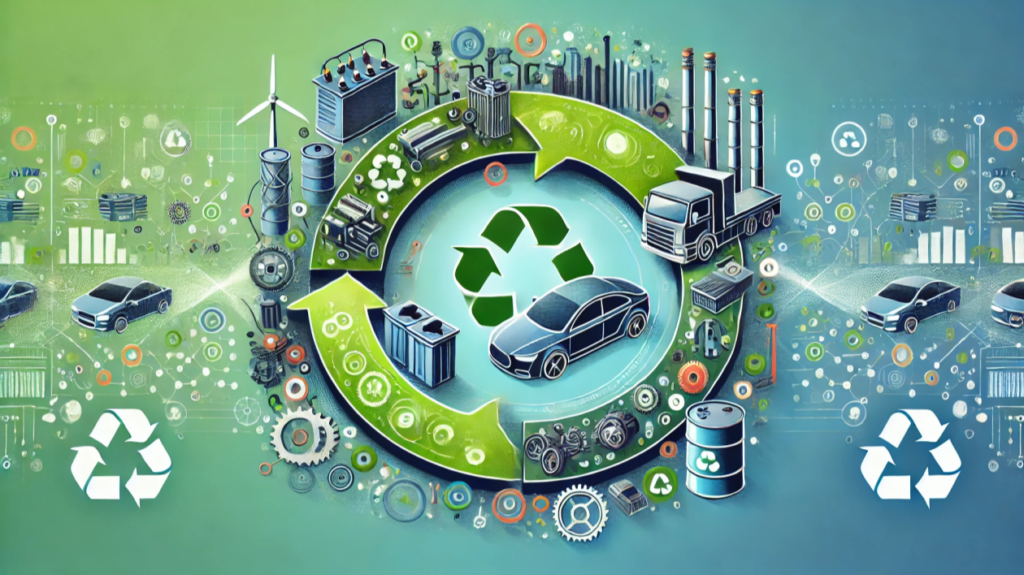
Role of Digital Solutions Modern Waste Management
Modern waste management is being revolutionized by technological innovations such as digital branding, social media marketing, and artificial intelligence (AI). Through focused campaigns, digital branding enables organizations to educate the public, foster trust, and encourage eco-friendly behaviour by increasing awareness of sustainability, recycling, and waste reduction. By reaching large audiences, igniting conversations about waste management, and encouraging community involvement in sustainability projects, social media marketing enhances these efforts even more. Companies can use these channels to disseminate success stories, run training courses, and encourage broad behavioural change. By enhancing waste sorting, anticipating waste generation patterns, and streamlining operations through optimized collection schedules, artificial intelligence (AI) improves the efficiency of waste management.
To improve planning and resource management, waste management companies can forecast changes in waste volumes using predictive analytics. AI-powered solutions increase productivity even more by automating waste sorting, increasing recycling rates, and reducing labor expenses. Furthermore, AI-enabled smart waste bins with sensors streamline collection procedures, guaranteeing a more efficient and environmentally friendly waste management system. When combined, these digital innovations increase operational effectiveness and encourage public participation in waste management initiatives, strengthening the circular economy. Waste management systems may become more transparent, efficient, and resource-efficient by combining digital branding, social media marketing, and artificial intelligence (AI). This will hasten the shift to a more sustainable future.
Beyond operational effectiveness, consumer attitudes and behaviours regarding recycling and waste reduction are greatly influenced by digital branding and social media marketing. People are encouraged to adopt sustainable practices by captivating campaigns, gamified recycling programs, and environmentally friendly smartphone apps. For instance, companies can create digital loyalty programs that encourage environmentally friendly buying practices or use augmented reality (AR) applications to teach customers how to properly separate their waste.
Additionally, digital solutions enable companies and governments to adopt creative waste management plans that prioritise sustainability. For example, authorities can improve recycling procedures and collection schedules by using AI-powered waste tracking systems, which give them real-time insights into waste generation and disposal patterns. In a similar vein, smart bins with Internet of Things capabilities alert collection services when they are full, cutting down on pointless pickups and the carbon footprint of garbage collection trucks. In addition to increasing cost effectiveness, these data-driven strategies guarantee more efficient waste management and produce better environmental results.
In the end, waste management is evolving from a reactive procedure into a proactive, sustainable system as a result of the convergence of digital branding, social media marketing, and AI-driven technologies. By encouraging a waste-free future where resources are continuously reused and repurposed, these innovations aid in bridging the gap between technology and environmental responsibility. The shift to a circular economy will quicken as more businesses and governments use digital solutions to address waste-related issues, resulting in long-term social, environmental, and economic advantages.
Research Objectives and Scope
This study attempts to investigate how new digital technologies, including digital branding, social media marketing, and artificial intelligence (AI), improve waste management effectiveness and promote the circular economy. In this study, the impact of smart waste bin systems on resource optimization, the use of predictive analytics to forecast waste generation, and the role of AI-powered automation in waste sorting are all examined. It also looks at the ways in which digital branding and social media campaigns affect eco-friendly waste disposal practices and public perception. Through the identification of significant technological developments and their effects on waste management, this study seeks to inform policy recommendations and offer insights into industry best practices.
The study includes a thorough examination of AI applications in waste collection, recycling, and waste-to-energy processes as well as a review of digital engagement tactics that promote environmentally friendly consumer behaviour. Additionally, case studies from numerous international waste management projects that have effectively incorporated digital solutions will be examined. This study intends to add to the expanding conversation on how digital innovations can improve waste management practices within the circular economy by examining the relationship between technology, consumer engagement, and environmental sustainability.
To accomplish its goals, this study employs a multidisciplinary approach, integrating knowledge from environmental science, digital marketing, and artificial intelligence. It seeks to highlight significant technological developments that improve waste collection and processing by examining actual implementations of AI-driven waste management systems. For example, by precisely differentiating recyclables from non-recyclables, AI-powered image recognition can improve waste sorting. Furthermore, data-driven waste collection is supported by IoT-enabled smart waste bins with sensors, reducing inefficiencies and their negative effects on the environment. By guaranteeing that materials are used for as long as possible, these innovations are essential to the advancement of the circular economy.
The impact of digital branding and social media on public attitudes and behaviours regarding waste management is also examined in this study. Social media platforms are effective instruments for promoting community involvement in recycling initiatives and increasing awareness of sustainable waste disposal methods. Influencer collaborations, green certifications, and environmentally friendly advertising campaigns are examples of digital branding tactics that can support CSR programs and encourage sustainable consumption patterns. The study offers insights into how businesses and policymakers can increase participation in waste reduction initiatives by examining successful case studies of companies and organisations that have used digital engagement to encourage environmentally friendly behaviour.
The study also looks at the possible difficulties and moral dilemmas that come with incorporating digital solutions into waste management. Key topics covered include the need for regulatory frameworks to control AI in waste processing, the impact of the digital divide on developing nations’ access to technology, and privacy concerns with smart waste monitoring systems. Developing policies that strike a balance between social and environmental responsibility and technological advancement requires an understanding of these issues.
In the end, this study adds to the larger conversation about how sustainability and digital transformation interact. The study offers practical suggestions for companies, governments, and communities by assessing the behavioural and technological facets of waste management within the circular economy.
Literature Review
Concept of Circular Economy and Sustainable Waste Management
The idea of Circular Economy (CE) focuses on the minimization of waste and maximization of the use of resources through closed-loop production systems where materials are recycled, repaired, and reused. Unlike the “take-make-dispose” approach of the linear economy, CE is aimed at preventing environmental damage while promoting economic growth. Effective management of waste is an integral component of CE where resources are recovered and cycled back to production loops rather than being lost in landfills or incinerators.
Waste management practices which are successful in CE include the prevention of waste, material recovery, and innovation in recycling. Traditional methods such as manual separation of waste and landfill dumping are being increasingly replaced by more resource-efficient digital measures which are more sustainable as well. With technology, waste management can be designed to be data-intensive, low-waste, and more effective in terms of resource optimization. The model of the circular economy also requires reducing the use of resources and waste generation. This involves the creation of long-lasting products and the use of resource recovery and regeneration methods towards the end of each service life. For example, one of the prominent activities of a circular economy is recycling some forms of waste to generate bioenergy. This provides a renewable source of energy while reducing the environmental impact of waste. A circular economy uses industrial and economic systems to keep materials, products, and services in use for as long as possible. It moves from the “take-make-dispose” linear extractive model towards one of reduction, optimization, and renewal of resources. A sustainable waste management system is one of the essential components of a circular economy. Sustainable waste management aims to keep materials in circulation for as long as is feasible and to minimize the amount of solid waste that goes into landfills or is burned.
This systematic approach relies on the hierarchy of waste management, which focuses on avoidance, reduction, reuse, recycling, energy recovery, and treatment or disposal. Generally speaking, sustainable waste management confronts the take-make-dispose mentality and offers solutions more directly addressing the many problems created by waste.
Following the principles of correct waste management stops the amount of reusable material being sent to landfills and incinerators, adding years to the life of materials and products. The 21st century has experienced unprecedented population growth and urbanization globally, resulting in a historic surge in waste production. The linear model of consumption based on raw materials extraction, manufacturing, consumption, and disposal has caused problems of titanic proportions for the environment. As a reaction to the need for sustainable solutions, the application of circular economy principles in waste management practices has emerged as a key paradigm shift. This review attempts to examine all the diverse facets of Waste Management and Circular Economy, giving a critical appraisal of sustainable processes and their inherent economic benefits.
Digital Transformation in Waste Management
The rapid pace of urbanization and changing consumption patterns have led to increased waste generation globally. Traditional waste management technologies, typically characterized by the ineffectual disposal practices of incineration and landfilling, have proven unsuccessful in addressing the scale and diversity of contemporary waste streams. Aside from hastening environmental degradation, such activities further erode access to finite resources. The rising environmental issues, along with an awareness of the finiteness of resources, have encouraged a paradigm shift to more sustainable technology. The circular economy is presented as an alternative to the present linear model based on the reduction, reuse, recycling, and recovery of the resources. The principal objective of the circular economy in its core level is to enhance a closed-loop system with minimum waste generation and maximum utilization of resources through the sustainable use of resources. Incorporation of principles of circular economy into waste management becomes the front of the requirement to counter the environmental challenges raised by traditional linear models in favor of creating economic opportunities simultaneously.
The range of challenges that are associated with the waste management in the contemporary times transcends various bases. The combined volume of the world’s rubbish has overwhelmed the existing facilities, leading to illegal dumping sites running wild, ineffective waste treatment, and mismanagement of garbage collection. Moreover, the waste composition has been trending towards greater heterogeneity and encompassing diverse kinds of material ranging from computer rubbish, plastics, to poisonous wastes. The resulting environmental effects of these waste streams in terms of polluting land, water bodies, and atmosphere suggest the importance of reconsideration and improvement of existing waste management processes. Last but not least, the linear approach to consuming natural resources provides a basis for an ethos of “take, make, dispose” that disrespects resources and worsens environmental degradation. The need for an integrated and sustainable waste management policy has never been more imperative.
As nations grapple with the consequences of poor waste management, there arises a growing sense that a fundamental transformation is required to address this problem—a one that has its roots in the principles of a circular economy. The circular economy is a departure from the linear paradigm by making cyclical circulation of materials, energy, and resources within the system a priority. It is based on four main principles: reduce, reuse, recycle, and recover. Source minimization is the core objective of the circular economy. It involves reducing the use of raw materials, sustainable production, and encouragement of consumption patterns that are sustainable. Prolonging product and material life through reuse is one of the cornerstones of circularity. This principle promotes product design and manufacture for durability and repairability, and promotes the culture of reuse over disposal. Recycling is systematic processing of waste materials to obtain useful resources, excluding them from landfill sites. Recycling not only conserves resources but also reduces the environmental impact of raw material production and extraction.
Other than recycling, waste energy recovery is also an important element in making the circular economy a reality by optimizing the use of resources.Waste-to-energy and anaerobic digestion technologies are employed to recover energy from waste products, thereby lessening the impacts. Incorporating such principles into practices involving the management of wastes is the key to developing a sustainable and robust system.
Circular economy principles promote innovation because they disrupt traditional business models. Companies are encouraged to develop sustainable products, explore new resources, and create closed loops.While the current linear paradigm tends to mean a “take, make, dispose” approach that is not only economically inefficient but also environmentally destructive, circular practice provides a model that can reconcile economic growth and sustainability. One of the strongest arguments for circular economy principles is that they help to deliver a high impact on the economy. Other than recycling, waste energy recovery is also a key element of making the circular economy a success through maximizing the use of resources. Waste-to-energy and anaerobic digestion technologies are utilized to recover energy from waste products, thus reducing the effects. Implementation of such concepts into practices relating to waste management is crucial in creating a sustainable and resilient system.
Circular economy ideas are stimulating innovation because they upend conventional business models. Businesses are motivated to produce sustainable products, find new sources, and establish closed loops. While the prevailing linear practice is bound to result in a “take, make, dispose” policy that not only wastes economics but also proves environmentally disastrous, circular practice offers a system capable of balancing economic development and sustainability. It is one of the strongest arguments for circular economy practices that they enable one to make a high impact in the economy.
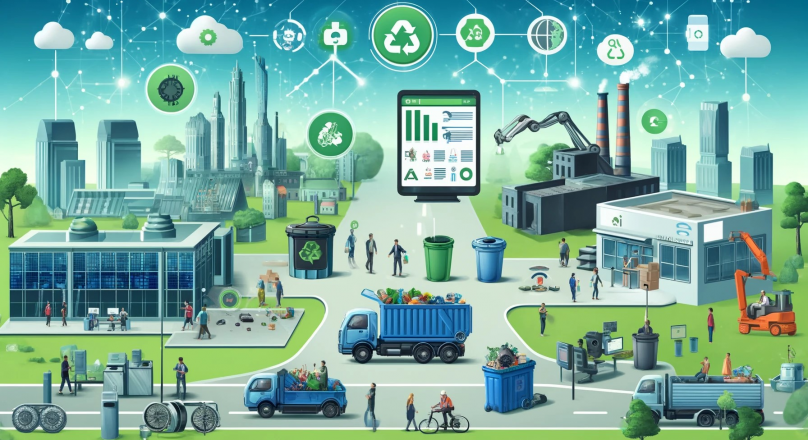
Waste Optimization Solutions through Digital Solutions
Auto-Sorting Technology and Smart Waste Collection
Application of digital technologies has made a major contribution towards enhancing efficiency and sustainability in waste management. Smart garbage collection systems use IoT sensor-equipped waste bins to track fill levels in real-time. Sensors provide data to connected platforms, where waste management services can optimize routes, lower the cost of operations, and lower the environmental footprint by lowering fuel usage and emissions.
New sorting technologies optimize waste processing efficacy even further. Robotic manipulators and vision-based algorithms of computer vision on the basis of machine learning enable sorting materials with texture, form, and chemistry in recycling facilities. Optical sorters, infra-red scanners, and conveyor belts with artificial intelligence-based technology facilitate more precise sorting, with enhanced material recovery levels. Not just labor, contaminations in the recycling streams too are reduced to pave the way for a circular economy.
Data-Driven Waste Management using Predictive Analytics
Predictive analytics is revolutionizing waste management to facilitate data-driven decision-making. Using big data, machine learning, and AI models, waste management businesses can forecast waste generation patterns, predict peak periods for waste disposal, and embrace preventive waste reduction strategies.
Historical data for waste generation, weather conditions, population increase, and industrial output reports assist in developing predictive models that maximize the use of resources and diversion of waste. The companies and cities can utilize them to plan the collection of waste in an optimally resource-sparing way and avoid overflow as well as sustainability. AI-based predictive maintenance can also identify likely equipment breakdown in waste treatment facilities, avoiding downtime and boosting operation efficiency.
Blockchain, IoT, and Automation for Waste Tracking and Recycling
Blockchain technology is more and more an efficient tool for enhancing the transparency and traceability of waste management. With decentralized ledgers, blockchain provides tamper-proof and secure evidence of waste transactions, from collection to recycling and disposal. It is thus possible to obtain transparency for regulatory compliance, end illegal dumping, and establish stakeholders’ trust.
IoT-based waste management systems combine sensors, GPS location tracking, and cloud computing to track waste movement. Automated reporting systems notify waste handlers of bin status, rates of contamination, and location-specific waste statistics. Blockchain-based smart contracts enable automated payments for the processing plants to ensure easy transactions among the generators of waste, recycling units, and facilities for disposal.
Automation of waste management reaches as far as autonomous waste sorting robots, artificially intelligent recycling facilities, and intelligent compaction units. These innovations significantly improve operational efficiency, minimize human involvement, and maximize the percentage of recovered materials, leading to sustainability in waste processing.
Case Studies of Digital and AI Deployment in Waste Management
Case Study 1: Pello Smart Waste Monitoring System
Pello is a high-tech waste monitoring technology that leverages IoT sensors to monitor waste bin fill levels and contamination detection. With Pello, companies and cities optimize waste collection routes, minimizing unnecessary pickups and green gas emissions. With AI support, Pello facilitates predictive analysis, allowing waste collection services to seamlessly integrate with waste generation habits.
Case Study 2: AI-Powered Recycling Robots
Recycling plants around the globe are adopting AI-based robots to maximize waste sorting efficiency. AMP Robotics and ZenRobotics are two companies that have created AI-based sorting machines capable of separating recyclable material at high speeds. The robots apply computer vision and deep learning to sort between plastics, metal, and paper, minimizing human errors and increasing recycling effectiveness.
Case Study 3: Pneumatic Waste Collection Systems in Urban Areas
Urban metropolises like Stockholm and Barcelona have embraced pneumatic waste collection systems whereby garbage is pushed through underground vacuum pipes to a collection center. The systems abolish regular garbage truck pickups, cutting carbon footprint as well as enhancing urban tidiness. The integration with IoT allows for real-time tracking of garbage disposal behavior, enhancing system efficiency even further.
Case Study 4: Blockchain in E-Waste Recycling
Electronic waste recycling businesses are embracing blockchain technology for providing secure tracking of used electronics. Apple and Dell have established blockchain-based systems, which are utilized to trace electronic products’ life cycle, allowing for secure recovery and disposal of precious materials. This makes the supply chain transparent and encourages ethical recycling.
Case Study 5: Smart Waste Apps for Consumer Engagement
Websites such as EcoATM and Recycle Track Systems (RTS) enable consumers and businesses to practice environmentally friendly waste disposal. EcoATM encourages e-waste recycling by providing cash for unnecessary electronic items, whereas RTS allows commercial businesses to monitor and analyze waste in real-time. Such websites increase the role of the citizens in recycling, and they make it easier for a greener circular economy.
Digital-driven innovations are transforming the process of waste management into a lean, transparent, and sustainable operation. Predictive analytics, smart waste collection, blockchain-enabled tracking, and automation using artificial intelligence are the key drivers of a circular economy. Together, these digital technologies can enable business, cities, and consumers to collaborate to maximize waste processing, minimize harm to the environment, and create a better future.
Challenges & Opportunities in Digital Waste Management
Artificial intelligence (AI) and digital innovations are driving a major transformation in waste management. Digital waste management seeks to improve waste collection, sorting, and recycling procedures by utilising AI, the Internet of Things (IoT), and blockchain, thereby supporting the circular economy. However, there are significant obstacles to integrating these technologies, such as the need for ongoing innovation, ethical issues, regulatory frameworks, and infrastructure constraints. Notwithstanding these challenges, new technologies present exciting chances to transform waste management and create environmentally friendly waste ecosystems.
Technological and Infrastructure Barriers
The high expense of putting AI-driven solutions into practice is one of the main obstacles in digital waste management. Adoption of automated waste sorting systems, smart bins, and IoT-enabled sensors is challenging for many municipalities and businesses due to their high cost. Additionally, inadequate digital infrastructure in a number of developing regions limits the efficacy of real-time waste tracking and monitoring. Data processing and interoperability present another significant challenge because AI and IoT produce enormous volumes of data that need to seamlessly integrate with current waste management systems. The persistent reliance on antiquated infrastructure, which is frequently incompatible with contemporary digital waste solutions, further delays the shift to an AI-powered waste ecosystem.
Technological developments present chances to improve waste management in spite of these obstacles. By precisely separating recyclable materials using machine learning algorithms, AI-powered waste sorting and recycling systems can increase efficiency. Smart waste collection enabled by IoT can optimise pickup times, lowering environmental impact and fuel consumption. Additionally, blockchain technology offers a novel way to monitor waste at every stage of its lifecycle, guaranteeing increased transparency and accountability in the circular economy.
Ethical and Privacy Concerns in AI-Driven Waste Solutions
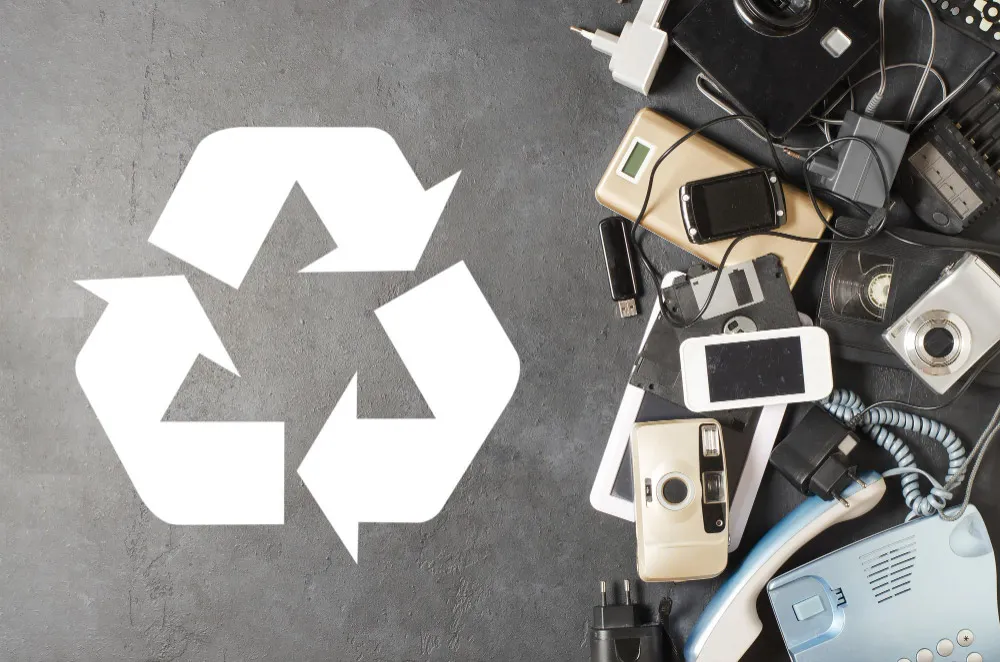
AI’s application in waste management brings up privacy and ethical issues, especially with regard to data security and monitoring. Large volumes of data on waste disposal practices are gathered by digital waste solutions, which may result in privacy violations if improperly used. Furthermore, biases in AI algorithms could lead to unfair waste classification or resource distribution, putting economic efficiency ahead of sustainability. Electronic waste, or “e-waste,” produced by digital waste management systems, is another expanding problem. The disposal of IoT sensors and smart waste devices adds to the global e-waste problem as they become outdated. Furthermore, jobs traditionally held by waste sorting and collection recycling facilities and robotic waste collection.
Ethical AI models and privacy-focused AI solutions can allay these worries. Waste data can be efficiently used without jeopardising individual privacy by utilising decentralised AI and encrypted data processing. Additionally, sustainable IoT designs, like biodegradable sensors and energy-efficient AI, can reduce the environmental impact of digital waste solutions. AI can be developed to enhance human capabilities rather than replace them, which would improve working conditions and open up new career opportunities in waste management with AI support.
Policy and Regulatory Frameworks for Digital Waste Management
One of the biggest obstacles to digital waste management is the absence of global standards for AI and IoT-based waste tracking. It is challenging to deploy consistent digital solutions on a large scale due to variations in waste classification, disposal, and recycling regulations between nations and cities. Furthermore, governments frequently find it difficult to keep up with technological developments, which leads to antiquated laws that ignore the complexity of waste systems powered by artificial intelligence. Environmental pollution can result from the inappropriate handling or unlawful disposal of hazardous electronic waste caused by lax e-waste recycling regulations. Concerns concerning who controls and gains from the waste data gathered by AI and IoT systems are also raised by ambiguous data ownership laws.
There are many chances to improve digital waste management through policy-driven initiatives. By offering tax breaks, subsidies, and the development of public-private partnerships for companies and municipalities implementing AI-powered waste solutions, governments can put smart waste management strategies into practice. Waste tracking and accountability can be improved by establishing standardised digital waste data frameworks. Stricter Extended Producer Responsibility (EPR) laws can also guarantee that producers create recyclable electronics and take part in e-waste collection initiatives. Governments can foster a culture of responsible consumption and disposal as well as active public participation in sustainable waste management by utilising digital platforms for citizen engagement.
Future Innovations and Integrating Emerging Technologies
Even though digital waste management faces technological and legal obstacles, new developments offer enormous potential to completely transform the sector. Autonomous waste collection is one of the most exciting developments, as robotic waste pickers and AI-powered self-driving garbage trucks can maximize urban waste collection. Furthermore, waste-to-energy systems powered by AI can improve the conversion of waste into renewable energy, lowering reliance on landfills and advancing the ideas of the circular economy. Biodegradable smart packaging with digital tracking is another innovation that allows companies and customers to keep an eye on packaging disposal and make sure it effectively re-enters the recycling process.
Additionally, by rewarding recycling and composting efforts, gamification and AI-powered awareness campaigns can encourage responsible waste disposal. Cities can anticipate waste generation trends and create customised waste reduction plans for particular communities with the aid of AI-driven predictive analytics. Systems for waste authentication based on blockchain technology can guarantee effective material reuse and stop unlawful dumping. As technology develops, creating a truly circular economy—one in which waste is reduced, resources are maximised, and sustainability is the norm—will require combining AI, IoT, and blockchain into a single digital waste ecosystem.
In the search for a circular economy, there are advantages and disadvantages to integrating digital solutions and AI-driven technologies into waste management. Although there are many obstacles to overcome, including those related to ethics, regulations, infrastructure, and technology, new developments in technology and policy provide workable answers to maximize waste management. Society can move towards a waste management system that is more effective, transparent, and sustainable by addressing privacy concerns, encouraging ethical AI, creating standardized policies, and investing in cutting-edge technologies. To guarantee that AI-driven waste solutions support a zero-waste, circular economy that benefits society and the environment, cooperation between governments, corporations, and individuals is crucial.
Key Findings
This study highlights the transformative impact of artificial intelligence (AI) and digitalization on waste management and the circular economy. The key findings are as follows:
- AI-Driven Waste Management Efficiency
- AI-powered waste sorting systems have been shown to improve recycling efficiency by up to 95% (World Economic Forum, 2023). Predictive analytics further optimize waste collection, reducing operational costs by 30%.
- Role of Digital Technologies in the Circular Economy
- The integration of digital solutions, such as the Internet of Things (IoT) and blockchain, enhances transparency in supply chains and reduces waste fraud by up to 50% (Ellen MacArthur Foundation, 2022). AI-driven predictive maintenance extends product lifecycles, potentially reducing electronic waste by 40%.
- Economic and Environmental Benefits
- AI-enabled waste management systems could contribute to economic savings of $4.5 trillion by 2030 (United Nations Environment Programme, 2021). Furthermore, AI-based monitoring has the potential to reduce landfill waste by 20-25%, supporting global sustainability goals.
- Challenges in Implementation
- Despite its potential, AI adoption in waste management faces significant barriers. Approximately 70% of businesses cite high initial investment costs as a major challenge (Forbes, 2023). Additionally, the lack of standardized regulations and data privacy concerns hinder widespread implementation.
- Future Prospects
- The adoption of AI-powered robotic waste sorting could increase global recycling rates by 50% by 2035. Moreover, policy incentives and AI-driven innovations have the potential to reduce global waste generation by 20% by 2030 (World Bank, 2023).
Conclusion
The implementation of digital technologies in waste management presents a revolutionary opportunity to harmonize economic growth with environmental sustainability. Since governments and industries realize the compelling necessity for efficient waste management, digitalization poses an effective catalyst for circular economy principles. With the application of novel technologies such as sensor-based waste tracking, smart waste bins, and route planning, the performance of waste management systems can be radically enhanced, reducing environmental degradation and promoting resource conservation.
But the successful implementation of these technologies depends on overcoming technical and financial barriers. The cost of digital solutions, combined with the need for specialized infrastructure, poses challenges that must be addressed through collective effort by stakeholders. Governments, industries, and communities must come together to create policies and incentives that encourage the adoption of sustainable digital solutions while making them economically viable across sectors.
Further, promoting environmental awareness and causing attitudinal changes in societies also form the bedrock for facilitating sustainable waste management. The behavior of people in their day-to-day lives, from waste separation to responsible consumption, directly determines the effectiveness of digital waste management systems. MSMEs and smart cities should be equipped with the right instruments to seamlessly implement digital solutions while ensuring economic and environmental objectives are met.
The way forward for waste management is through the proper and strategic use of digital transformation. Striking a balance between technological progress and sustainability objectives will enable us to open the doors to a cleaner and greener tomorrow. Ongoing research and investment in digital technology, as well as active policymaking and participation by society, will be critical to bridging challenges and realizing the complete potential of digitalization for waste management. A green, sustainable future is within reach—a world where technological advancement is a force for a more efficient, resource-intelligent, and ecologically resilient tomorrow.
References
- Ellen MacArthur Foundation. (2015). Towards a circular economy: Business rationale for an accelerated transition. Ellen MacArthur Foundation. https://ellenmacarthurfoundation.org
- European Environment Agency. (2020). Artificial intelligence and the environment: Challenges and opportunities. EEA Report No. 20/202. https://www.eea.europa.eu
- Forbes. (2023). How AI is transforming waste management and circular economy strategies. Forbes. https://www.forbes.com
- Geissdoerfer, M., Savaget, P., Bocken, N. M. P., & Hultink, E. J. (2017). The circular economy – A new sustainability paradigm? Journal of Cleaner Production, 143, 757-768. https://doi.org/10.1016/j.jclepro.2016.12.048
- Kirchherr, J., Reike, D., & Hekkert, M. (2017). Conceptualizing the circular economy: An analysis of 114 definitions. Resources, Conservation and Recycling, 127, 221-232. https://doi.org/10.1016/j.resconrec.2017.09.005
- Lieder, M., & Rashid, A. (2016). Towards circular economy implementation: A comprehensive review in context of manufacturing industry. Journal of Cleaner Production, 115, 36-51. https://doi.org/10.1016/j.jclepro.2015.12.042
- Stahel, W. R. (2016). The circular economy. Nature, 531(7595), 435-438. https://doi.org/10.1038/531435a
- United Nations Environment Programme (UNEP). (2021). Digital solutions for a circular economy: Policy perspectives and case studies. UNEP. https://www.unep.org
- World Economic Forum. (2019). Harnessing AI to accelerate the circular economy. World Economic Forum. https://www.weforum.org
- Zhao, X., Zhang, Y., Zhang, T., & Wang, Y. (2021). The impact of digitalization on sustainable waste management: A case study analysis. Sustainable Cities and Society, 64, 102550. https://doi.org/10.1016/j.scs.2020.102550
Author

About the Author