https://miro.medium.com/v2/resize:fit:1400/1*hxVZkDggtIyzLlue8ylkjg.jpeg
Introduction
The assumption that animals are without rights and the illusion that our treatment of them has no moral significance is a positively outrageous example of Western crudity and barbarity. Universal compassion is the only guarantee of morality.”-Arthur Schopenhauer
Animal testing, or vivisection, is an antiquated, scientifically dubious, and morally repugnant technique that has long supported the pursuit of human safety and medical improvement. Millions of animals such as dogs, rabbits, primates, rats are subjected to a lifetime of captivity, suffering, and intentional harm as a result of this deeply ingrained methodology, but the results are woefully inadequate indicators of biological outcomes in humans. It is a system based on dubious science and ethical compromise. The solution or the refinement is no longer an option as the only a transition from mere regulation of the cruelty to completely outlawing is required for a meaningful moral reckoning. Animal experimentation is an unacceptable relic that needs to be replaced by contemporary, compassionate, and human-relevant technologies. It is not a necessary evil.
The history of this practice of animal testing can be traced back to when the alchemists and the physicians used animals in order to understand the functioning of the human body. But 20th century marked to be an age when these animals were tested on for industry and modern science reasons. The data collected by F Barbara Orlans, 1“In the Name of Science: Issues in Responsible Animal Experimentation” showed that the sixty percent of animals are used for bio-medical research, and product safety testing.
Animal Testing: a moral wrong
Animal rights are violated when they are used in exploration. Tom Regan, a gospel professor at North Carolina State University, emphasised that Animals have basic and moral rights and to respectful treatment.” This inherent value of animals are reduced to bare tools by using them for scientific and other research experiments. The professor also states that, Animals and people are alike as they think, behave and their pain withholding capacities are the same.
society ‘ right’ is generally grounded on positive law and positive law is grounded on or more directly, motivated by collaborative morality of people. Animals being a one of these varied elements of nature and society, law is applicable and structured for them equally. Hence, any law that is made for them forms part of one’s morality. 2
Animals that are subjected to the experimentation lack the right to choose. This lack of choice subjects them to participating in experiments that infringes their basic right to life. Risks that these animals undergo aren’t reversible. Because they are unable to express their own preferences and choices, decisions are made for them. When humans decide the fate of animals for research, testing and scientific experimentation, their rights are violated with lack of due regards of their well-being or quality of life. Animal experimentation should be prohibited, being violative of the rights of animals.
This power dynamics between animals and humans is a classic case of imbalance of power as one party has the capacity and possess neurological, physiological capacity to endure such pain and suffering as well. Beyond physical harm, laboratory conditions often impose severe psychological stress through isolation, confinement, and deprivation of natural behaviours, further violating their well-being as sentient beings.
Case study of Body Shop
The Body Shop3 exemplifies one of the earliest corporate-driven movements against animal testing in cosmetic production. It was founded by Anita Roddick in 1976 on a business model that incorporates ethical values, one of which was to fight against animal cruelty. Since 1989, The Body Shop has engaged itself with active campaigning against the use of animals for cosmetic testing and committed itself to manufacturing cruelty-free, vegetarian products that make use of natural ingredients.
In 2017, the “Forever Against Animal Testing” campaign launched globally to gain public support for a worldwide ban on cosmetic animal testing by petitioning international regulatory bodies. Utilizing social media strategically, partnerships with influencers, and consumer engagement efforts, the campaign showed animal suffering and encouraged responsible consumerism.
In present time we have several brands in India and around the world that have stopped testing on animals and have PETA verified badges making it easier for the consumer to make moral and responsible choices. But household brands such as Loreal and Maybelline still continue their testing on animals. The case study brought into light the possibilities of ethical branding and cruelty-free practices that can strengthen consumer trust, brand loyalty, and market competitiveness as non-animal testing alternatives are increasingly viable, cost-effective, and scientifically reliable.
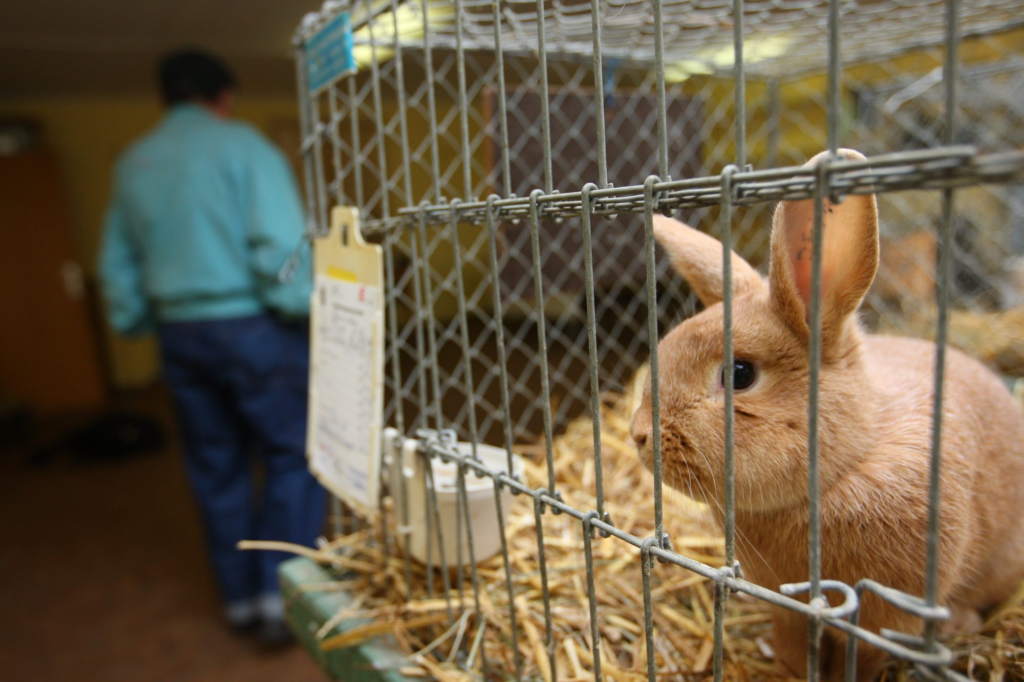
Pain & Suffering: Worth for human benefits?
As stated by the “The American Veterinary Medical Association defines animal pain as an unpleasant sensory and emotional experience perceived as arising from a specific region of the body and associated with actual or potential tissue damage.”4This implies that the pain suffered when the animals are being subjected to toxicity, chemical treatments as part of laboratory research, they are under the wheels of deadly experiments. The test that are most commonly inflected upon are the LD50 Test and the Draize Test.5
LD50 test
As part of this test, a professor of medial cell biology at the University of Nottingham has stated concerns regarding the LD50 test and tags it to be “scientifically unjustifiable. The precision this text has purported to provide is an illusion because of uncontrollable biological variables.”
LD50, or the Lethal dose 50 percent test was developed to determine the amount of a substance required to cause death in half of a group of test animals within a specified period. Animals are exposed to substances through oral ingestion, inhalation, injection, or skin application, often resulting in severe symptoms such as convulsions, organ failure as these test subjects(animals) experience significant suffering, as death may take several days or even weeks. It has been criticised for two major reasons, limited or lack of applicability to human health assessment due to interspecies differences and for reasons of morality as it is sign of toxicity rather than physiological data.
Draize Test
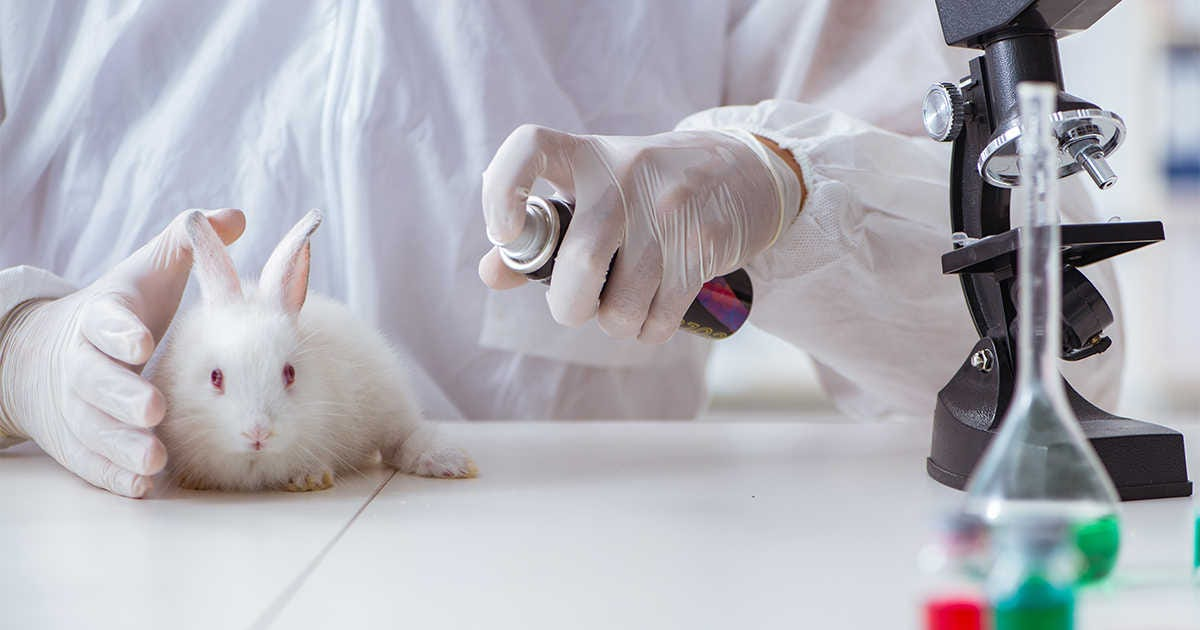
The Draize eye-irritancy test is used to assess the potential of chemicals to cause eye damage, primarily using albino rabbits. A fixed quantity of the test substance is placed directly into the animal’s eye, and irritation or injury is scored over several days. The test is a torturous process to animals as they result in immense pain, suffering, distress and permanent eye injury or loss. But the reality is that these tests are used in spite of the failed, inconsistent, and subjective results as the eyes of humans and rabbits differ causing the inaccuracy of these tests for human safety assessments.
Other tests include:
Dermal Irritation Test
That assesses the potential irritability of chemicals used in products on the skin. For this test, back of the animal or the ear are shaved to be able to expose the skin and test for swelling, redness, and blisters on their skin. 6
Acute Toxicity Test
Used to test the harmful effect of substance in question which is to be inhaled or ingested to showcase the lethal dose of it. This is administered to animals to observe the side or after effects.7
These immense scales and degrees of animal use has been resulting in death of animals for several years at a high moral costs. These tests have however resulted in failure of animal tested drugs in human trials raises serious questions about the effectiveness and ethical defensibility of relying on these models. Therefore, animal testing can be declared as both morally irresponsible and scientifically flawed.
Animal Testing in India
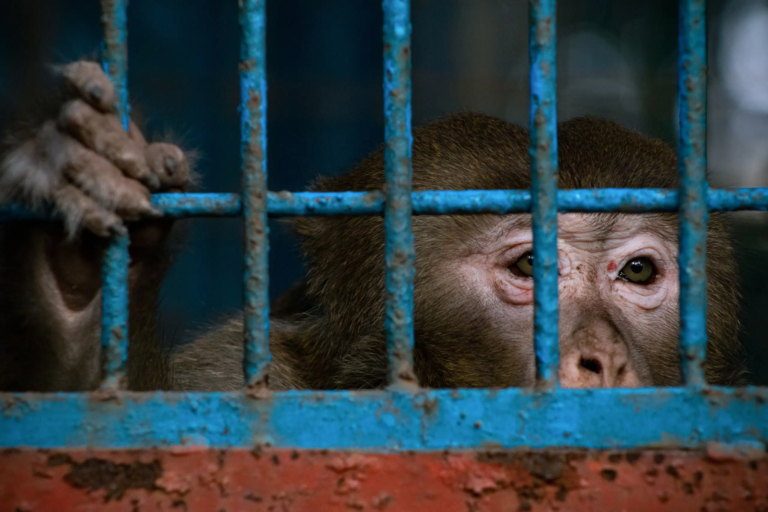
The Animal Defenders International and the National Anti-Vivisection Society in 2003 conducted research and documented the conditions of animals used for experimental and laboratory testing purposes. In the 2000s, laboratory-testing animals in India lived in the direst of conditions. The experimental conditions were unhygienic, animals of unknown genetic origin were often chosen, free-roaming street dogs, etc., animals were denied post-operative care, and there were instances where certain laboratories operated without an in-house veterinarian for years on end. The animals usually lived in rusting cages, were given inadequate food and water, and lacked proper ventilation and air ducts. There was frequent use of brutal
procedures like brain drilling and live freezing on live animals. This poor standard of living was seen across all animals and species used for experimentation
This irregularities, absence of moral policing of these experiments affects even the overall stress levels in animals. It has been observed that if a Macaques are separated from their mothers before 6 months of birth, the immune systems changes that happens in them. Another such examples is of the visual monitors and screens that are used for testing which result in producing a high-pitched frequency, extremely close to the distress call of a rat. These constant sounds contains the potential to rapidly increase their stress hormones in the laboratory rodents. High levels of cortisol and other stress-related hormones have numerous physiological effects that will in turn tamper with the animals life. Hence, this unjustifiable cruelty is counterproductive.8
But, the Indian Council of Medical Research (IMRC) members have been proposing and pushing for investments that are into alternative testing methods. At present, India is one of the few countries that is experimenting with using the organ-on-a-chip (OOC) method for medical testing instead of animals. This method is a multi-fluid cell or a multi-channel that allows for the testing of drugs through mimicry of the chemical, mechanical and physiological reaction of the organ system. An organ-on-a-chip is a multi-channel, multi-fluid cell culture chip that allows drug-testing by mimicking the reaction of physiological, chemical, and mechanical reactions of an entire organ or organ system.
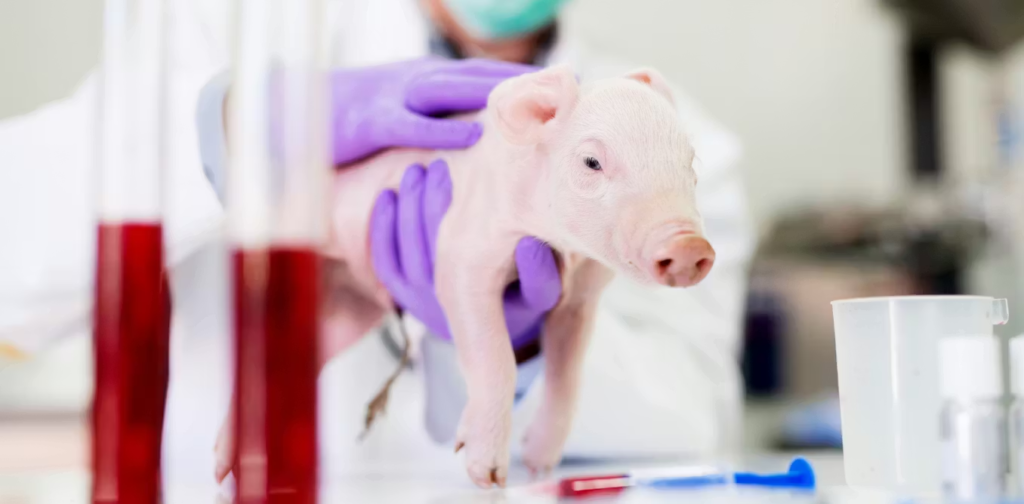
Technology: a viable alternative?
Experiments such as the In vitro testing which involves experiments conducted outside a living organism using human cells, tissues, or organoids. It allows scientists to directly observe how substances interact with human biology, often producing more relevant results than animal based studies. Technology used in a way were three-dimensional 3D bioprinting is carries out of human tissues by layering living cells allowing controlled testing of products on human tissue models and shows strong potential for drug development and personalised medicine. The usage of Computer-based simulations to predict the toxic effects of substances by analysing chemical structures, metabolic pathways, and existing data, offering a reliable alternative to animal testing.
The body-on-a chip systems that combines multiple human tissues to replicate complex biological processes. They provide deeper insight into how products affect the human body as a whole.
These technology driven innovative alternatives are more ethical and often produce more accurate, human-relevant data, supporting safer and more effective product development while reducing the need for animal testing.
Conclusion
Animal experiments should be stopped because they violate animal rights and cause pain and suffering to the animals being tested. There are also other ways to test a product for toxicity. There is no justification for improving people’s lives by indiscriminately torturing and executing thousands of animals each year for laboratory experiments and product testing. Animals should be treated with respect and dignity, but this right to be treated with dignity is not respected when animals are exploited for selfish purposes. After all, humans are also animals.
The greatness of a nation and its moral progress can be judged by the way its animals are treated.”- Mahatma Gandhi.
- Orlans, F. Barbara. In the Name of Science: Issues in Responsible Animal ExperimentaƟon. New York: Oxford UP, 1993.
↩︎ - Sanchit Sharma, The Understanding of Animal Rights: Advancing a New Approach V SML. L. REV. 63 (2022) ↩︎
- Ganatra, V., Sinha, R., SrishƟ, Pandey, R., Kadam, P., RisƟansyah, S. A., Sin, L. G., Yin, C. L., Kee, D. M. H., Jin, L. Y., Wei, O. Y., & Pei Wei, L. (2021). The Body Shop “Forever Against Animal TesƟng”
↩︎ - Lone Star College. (n.d.). Stop animal tesƟng.
↩︎ - Orlans, F. B., Rudacille, D., & Meyer, A. (n.d.). The Draize test and the LD50 test. WellBeing InternaƟonal Studies Repository.
↩︎ - Watson & Wolfe. (2023, October 10). The ethical dilemma: Understanding the cruelty of animal tesƟng. Watson & Wolfe.
↩︎ - Supra
↩︎ - Jeevoka Buzz. (2020, March 3). The welfare of laboratory testing animals in India: A brief look into the history of cruelty, room for improvement and the hopefully beƩer future of animals used in laboratory tesƟng in India.
↩︎
Author

About the Author