https://a-z-animals.com/media/2025/12/shutterstock-1195357453-huge-licensed-scaled.jpg
Introduction
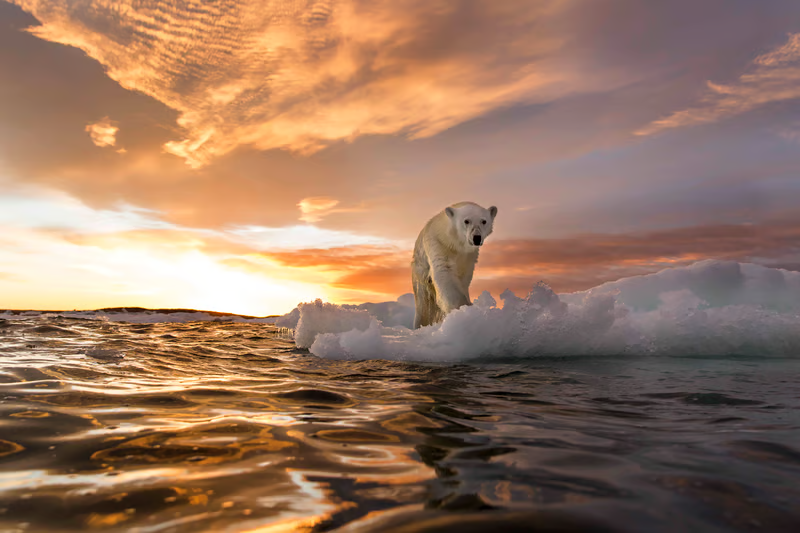
Imagine a polar bear standing on a thinning ice sheet in the Arctic, his fur glistening under the pale northern sun. This bear does not understand the complex scientific forces shaping his world. He does not know what greenhouse gases are, nor does he grasp the rapid industrial changes transforming the planet. Yet his life is affected by them every day. The ice that once supported his ancestors is vanishing. The seals he depends on for food are becoming harder to catch. Each season feels different from the last.
This image, simple yet powerful, reflects a much larger crisis. Climate change is often viewed from a human-centered perspective, focusing on rising temperatures, economic impacts, and policy debates. But animals—silent, vulnerable, and unable to influence the decisions that shape their fate—face the consequences directly and immediately. While humans adapt by using technology, adjusting lifestyles, or relocating, animals have far fewer options. Their bodies and behaviors evolved over thousands of years to fit stable environments, and now those environments are shifting at an unprecedented pace.
This paper examines the relationship between climate change and animal rights, arguing that climate change is not only an environmental or scientific concern but also a profound ethical issue. The discussion explores the science behind climate change in simple terms, the specific ways in which wild, farm, and companion animals are being affected, and the broader moral responsibilities humans have in protecting these creatures. It also highlights technological solutions, governmental measures, and individual actions that can make a difference. Ultimately, the paper argues that animals deserve consideration and protection in the climate crisis, and that human compassion must extend beyond our own species.
Understanding Climate Change: A Simple Explanation
Climate change is rooted in basic scientific principles, yet its effects are far-reaching and complex. Earth is surrounded by a layer of gases—carbon dioxide, methane, nitrous oxide, and others—that trap some of the heat from the sun and keep the planet warm enough for life. This is known as the greenhouse effect. Without it, Earth would be an icy, uninhabitable planet.
However, in the last 150 years, human activity has significantly increased the concentration of greenhouse gases. The Industrial Revolution marked the beginning of mass fossil fuel use, deforestation, and accelerated agricultural expansion. As a result, the atmospheric blanket has thickened unnaturally, trapping more heat than Earth can safely handle. This creates a series of consequences, including:
• Higher global temperatures
• Melting glaciers and ice caps
• More intense and frequent extreme weather events
• Ocean warming and acidification
• Shifting seasonal patterns
These changes do not happen in isolation. They influence ecosystems, plant growth, water availability, and the stability of habitats. Animals, whose lives rely on predictable conditions, find themselves facing new climates, altered landscapes, and unfamiliar challenges.
In essence, climate change is happening faster than natural evolution can respond. Species that once thrived in stable environments are now forced into a race for survival.
How Climate Change Impacts Wild Animals
Habitat Loss
Wild animals are deeply connected to their habitats. These environments provide everything they need—food sources, shelter, breeding grounds, and protection from predators. When climate
change alters temperatures, water availability, or vegetation, habitats can degrade or disappear entirely.
In the Arctic, rising temperatures melt sea ice earlier in the spring and delay its formation in winter. Polar bears, which rely on ice platforms to hunt seals, must swim longer distances, expending energy they cannot easily replace. Many die from exhaustion, while others resort to scavenging on land, where food is scarce. Walruses face a similar issue: without stable ice, they gather on crowded beaches, leading to stampedes and widespread injuries.
Coral reefs, often called the “rainforests of the sea,” suffer from bleaching when water temperatures rise even slightly. Coral bleaching destroys the vibrant ecosystems that support thousands of fish, crustaceans, and marine mammals. Without reefs, marine species lose nesting areas, feeding zones, and protection from predators.
In forest ecosystems, prolonged droughts and rising temperatures increase the likelihood of wildfires. Fires burn through vast stretches of land, killing countless animals directly and destroying the habitats of those that survive. The loss of vegetation also affects herbivores long term, leading to food scarcity and population decline.
Habitat loss is one of the most devastating consequences of climate change because it disrupts the entire foundation of animal survival.
Disrupted Food Chains
A food chain is an interconnected relationship between producers, consumers, and predators. Climate change affects food chains from the bottom up. Plants and insects are often the first to respond to shifting temperatures, and when their patterns change, everything depending on them is affected.
For example, warmer winters may reduce insect populations. Birds that rely on these insects to feed their chicks may struggle to raise young successfully. In aquatic ecosystems, rising ocean temperatures reduce plankton growth. Plankton are essential for fish, and fish are essential for seals, penguins, and whales. When one link weakens, the entire chain becomes unstable.
The situation is even more complicated when species shift their ranges. If prey animals move north to escape heat, predators may not be able to follow due to physical limitations or new environmental barriers. This creates mismatches in predator–prey relationships, leading to hunger, decreased reproduction, and disrupted ecosystems.
The collapse of food chains can push species closer to extinction and threaten the stability of entire ecosystems.
Altered Migration Patterns
Migration is one of the most remarkable natural phenomena, guided by instinctual responses to environmental cues such as temperature and daylight. Climate change disrupts these cues, causing animals to migrate too early, too late, or in the wrong direction.
Birds that migrate early may find that insects have not yet emerged, leaving them without food. Caribou that follow ancient migration paths may arrive at calving grounds when plant growth has not yet peaked, depriving pregnant females of critical nutrition. Marine animals, like whales and fish, move into unfamiliar waters in search of cooler temperatures. This exposes them to dangers such as shipping lanes, fishing nets, and predators they did not evolve to escape.
Migration depends on precise timing. Even small climate shifts can result in catastrophic consequences for animals that rely on these ancient patterns.
Increased Extinction Risk
Scientists warn that climate change may accelerate extinction rates beyond anything previously seen in human history. Species that are already endangered face additional stress from habitat loss, food scarcity, and shifting climates. Amphibians, which rely on moist environments, are particularly vulnerable. Many reptiles and insects rely on temperature to regulate their biological cycles, making them extremely sensitive to warming.
Extinction is more than the loss of individual animals; it is the permanent disappearance of entire evolutionary lineages. Once a species vanishes, it cannot be recreated. The ecological roles it filled become empty, often destabilizing ecosystems that relied on its presence.
Climate Change and Farm Animals
Heat Stress
Farm animals are among the most physically vulnerable to rising temperatures. Livestock facilities often house large numbers of animals in enclosed spaces with limited ventilation. When temperatures soar, these animals cannot regulate their body heat effectively.
Cows produce significantly less milk during heatwaves, affecting both their health and the global food supply. Chickens become stressed in extreme heat, leading to reduced egg production and higher mortality. Pigs, which cannot sweat efficiently, suffer from respiratory distress, heatstroke, and increased vulnerability to infections.
Heat stress not only affects productivity but also inflicts severe suffering on animals, many of whom die during extreme weather events.
Spread of Diseases
Climate change expands the range of parasites and pathogens that harm livestock. Warmer temperatures allow ticks, mosquitoes, and biting flies to survive in regions previously too cold for them. Diseases such as tick fever and foot-and-mouth disease spread more easily under these conditions.
Heat-stressed animals have weakened immune systems, making them more susceptible to infections. Outbreaks become more frequent and harder to control. For farmers, this means economic losses, but for animals, it means prolonged suffering and premature death.
Reduced Food and Water Availability
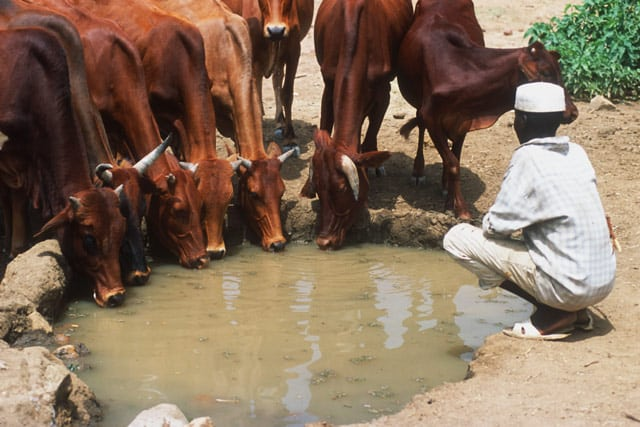
Droughts are becoming more common as global temperatures rise. Reduced rainfall and shrinking water supplies affect pastures, crop yields, and water availability for livestock. Farmers often struggle to secure enough feed, especially during prolonged drought periods.
Animals experience hunger, dehydration, and malnutrition, often resulting in weakened bodies and decreased lifespan. In extreme cases, livestock is abandoned or culled because maintaining them becomes financially impossible.
Farm animals depend entirely on human care, and climate change makes fulfilling that care increasingly difficult.
Urban and Companion Animals in a Changing Climate
Climate change impacts not only wild and farm animals but also companion animals living in cities and towns.
Heatwaves pose serious threats to dogs and cats, especially older animals or breeds with respiratory challenges. High temperatures can cause heatstroke, dehydration, and respiratory distress. Pets left outdoors or in unshaded areas suffer severe physical stress.
Natural disasters such as floods, hurricanes, and wildfires destroy homes, separate families from their pets, and overwhelm animal shelters. During major disasters, thousands of pets become displaced or injured.
Stray animals are even more vulnerable. With no access to regular food or water, extreme temperatures can be deadly. In many regions, street dogs and cats endure prolonged suffering due to unrelenting heat and lack of medical care.
Ethical Responsibility: Why Animals Deserve Rights in a Climate Crisis
If humans have caused the climate crisis, then humans have an ethical responsibility to protect the animals affected by it. This principle forms the foundation of animal rights in the context of climate change.
Animal rights stem from the idea that animals are sentient beings capable of feeling pain, fear, and stress. Their suffering matters morally. If human actions create conditions that harm animals, then humans have a duty to minimize that harm.
Animals deserve:
• The right to live without unnecessary suffering
• The right to safe and stable habitats
• The right to humane treatment during disasters
• The right to be considered in environmental decision-making
Recognizing these rights requires rethinking humanity’s relationship with nature. Animals are not property or tools; they are living beings with intrinsic value. Protecting them in the face of climate change is a moral obligation, not optional goodwill.
Science and Technology as Tools for Protection
Wildlife Monitoring Tools
Drones, satellite tracking, and GPS collars help scientists monitor migrations, population declines, and habitat changes. These tools allow conservationists to respond quickly to threats and design proactive strategies for animal protection.
Renewable Energy Solutions
Transitioning to renewable energy reduces greenhouse gas emissions and slows climate change. Wind, solar, and hydro power systems decrease the environmental stressors that harm animals. Cleaner energy translates into more stable ecosystems.
Climate Prediction Models
Advanced climate models forecast droughts, storms, wildfires, and heatwaves. These predictions allow governments and organizations to prepare evacuation plans, protect habitats, and rescue vulnerable animals before disasters strike.
Artificial and Assisted Habitats
Floating ice platforms provide temporary support for Arctic animals. Artificial reefs rejuvenate marine ecosystems. Shaded structures protect farm animals from heat. These innovations give animals a fighting chance in destabilized environments.
Sustainable Food Technologies
Lab-grown meat and plant-based foods reduce reliance on factory farming, lowering emissions and improving animal welfare across the globe.
Government and Organizational Responses
Many international organizations recognize the connection between climate change and animal welfare. The World Wildlife Fund works to protect endangered species and restore habitats. UNEP develops climate adaptation programs. The IPCC provides scientific assessments guiding global policy.
Governments establish protected areas, enforce environmental regulations, and develop emergency response plans for wildlife. However, actions vary widely between countries, and enforcement remains inconsistent. Significant progress requires global cooperation, strong legislation, and long-term commitment.
What Individuals Can Do
Individual actions play a meaningful role in addressing climate change. People can:
• Reduce energy consumption
• Support renewable energy initiatives
• Decrease meat intake
• Choose sustainable products
• Conserve water
• Support conservation and animal welfare organizations
• Advocate for stronger climate policies
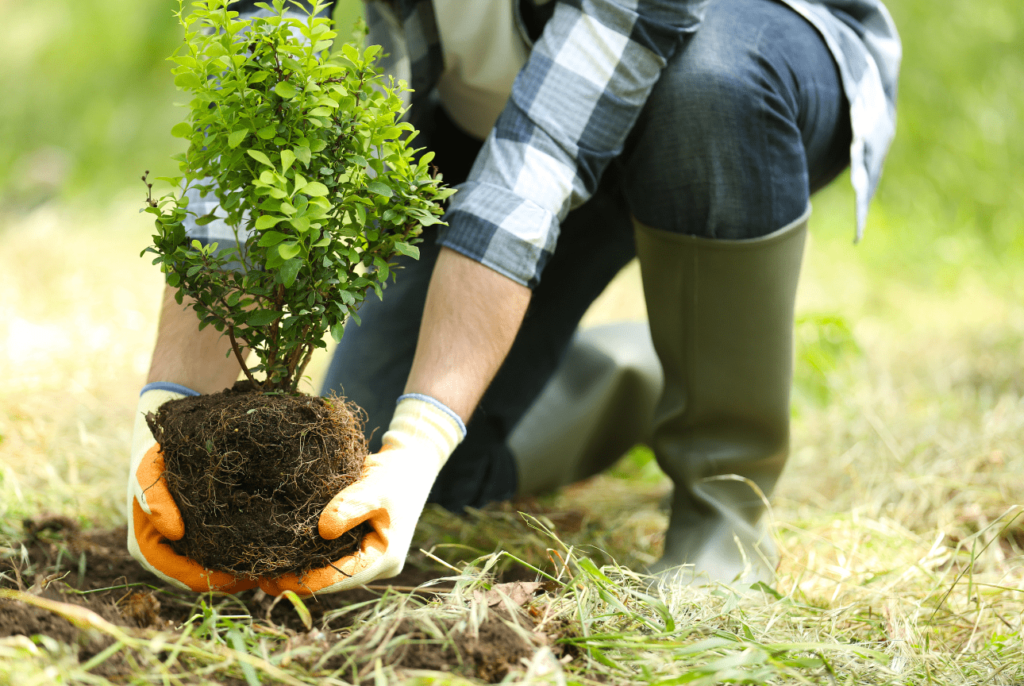
When individuals make environmentally conscious choices, they collectively reduce stress on ecosystems and protect vulnerable animals.
Conclusion
The polar bear on melting ice is more than an isolated symbol. He represents countless animals facing unprecedented challenges due to climate change. Forest dwellers fleeing fires, marine animals losing coral reefs, farm animals suffering from heat, and stray animals enduring extreme weather all are impacted by human-induced climate change.
This paper has shown that climate change is not merely an environmental or scientific issue. It is fundamentally a moral one. Animals deserve rights, consideration, and protection, especially when the crisis jeopardizing their survival originates from human behavior.
Through scientific advancement, government leadership, and individual responsibility, humans can alleviate harm and safeguard the lives of millions of species. Protecting animals from climate change is not simply an act of kindness; it is a test of humanity’s values. How we respond now will define our legacy in the natural world and determine the future of the creatures who depend on us.
References
- Intergovernmental Panel on Climate Change. (2021). Climate change 2021: The physical science basis.
- Intergovernmental Science-Policy Platform on Biodiversity and Ecosystem Services. (2019). Global assessment report on biodiversity and ecosystem services.
- United Nations Environment Programme. (2022). Climate impacts on animals.
- World Wildlife Fund. (2023). Climate change and wildlife.
Author

About the Author