https://i.ytimg.com/vi/MpnDoUW2-Ck/maxresdefault.jpg
Introduction
DIGITAL ADDICTS AND PETFLUENCING
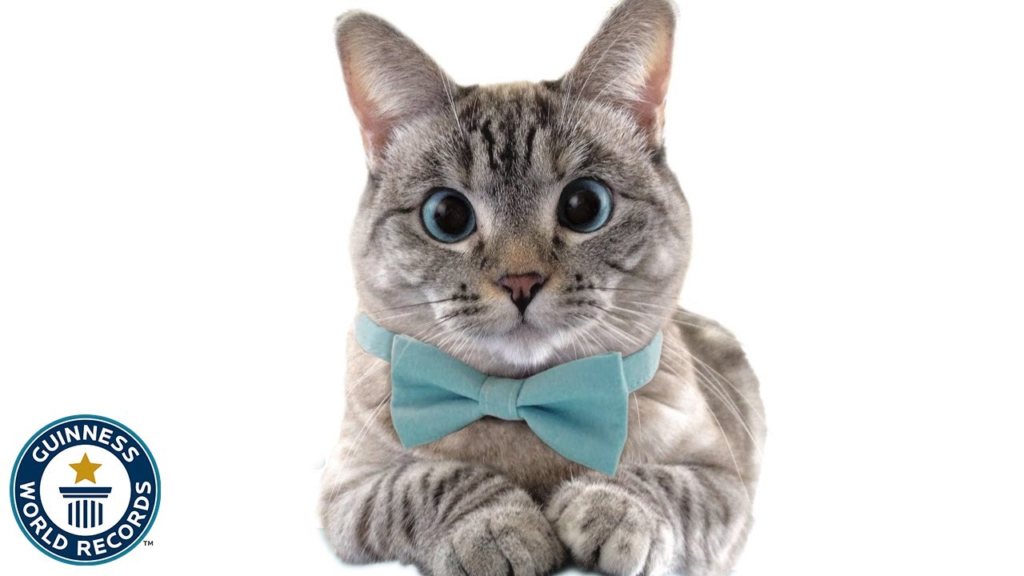
As digital addicts rely more and more on social media, petfluencers – a household pet turned social-media celebrity have gained popularity exponentially. To gain popularity, users of social media platforms have created accounts for their pets, and now by posting cute pictures and videos get millions of views and hence brand endorsements. In fact, petfluencers can often generate so much engagement that the number of followers of some of the most popular pet profiles are as high as those of human influencers. For instance, Nala the Cat boasts 4.4 million followers and an estimated fortune of £80 million from sponsorships. Brands increasingly partner with petfluencers, as animals are perceived as “more authentic and sincere” representatives than people. This trend is driven by the straightforward reason that “nearly everyone enjoys animals” and considers adorable animal content to be soothing.1
However, researchers caution that the “inherent cuteness” of pet content can also hide real welfare problems. For instance, an analysis of 162 viral pet videos found that 82% showed clear signs of stress in the animals, and over half posed real injury risk.2In many of these videos posted online, these pets can be seen poked and prodded with, just to startle them and get a “funny” reaction. Repeatedly causing such alarming actions, can lead to anxiety and even long term health problems in pets as noted by various veterinary experts.
Global Petfluencing Trends
Internationally, petfluencing is booming. A 2025 report explained that the term “petfluencer” has entered common parlance to describe animals regularly featured by their owners. Advertising firms now see value in animals: campaigns featuring pets tend to go viral. For example, Nala the Cat’s Instagram endorses cat food and even mobile games, and her owner is said to have made tens of millions from it.3
In India and other countries, petfluencing follows global social-media trends. Instagram Reels, YouTube Shorts, TikTok – are short form video platforms which are especially popular for pet content: one survey found 74% of Indian Instagram users engage actively with Reels. According to market analysts, in early 2025 there were approximately 1200 Indian pet influencer accounts on various social media platforms, each having more than 1000 followers and attracting roughly about 12,000 likes and 1,30,000 views per post.4 The burst in pet adoptions during the pandemic of the 2020s, is also responsible for this rise: as more pet owners stayed at home, sharing adorable or funny pet moments became a favourite way to spend time.
Petfluencers have turned into a marketing phenomenon in India’s rapidly expanding pet economy. Industry surveys note that India’s pet-care market is doubling every few years. According to Bloomberg Intelligence, by 2030 the global pet industry will hit nearly US$500 billion, and in India alone pet-product sales are expected to exceed ₹10,000 crore by 2028.5Major pet brands are now partnering with animal accounts. For example, Supertails- a leading Indian pet retailer reports that its founders see petfluencers as “key opinion leaders” who shape consumer choices and drive awareness.6
Animal Welfare and Ethical Concerns
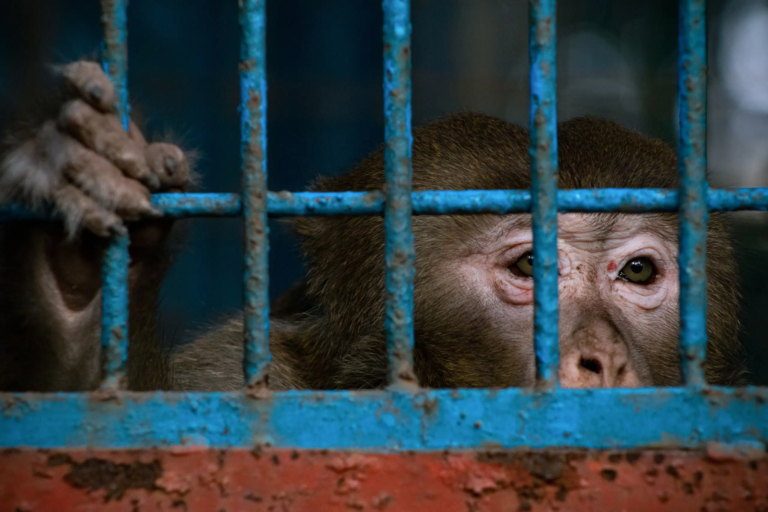
Animal welfare and ethical concerns are the main issues raised by the skyrocketing popularity of pet videos. Animal welfare experts have noticed a lot of negative aspects behind these videos that are usually considered as innocent in the first place. Petfluencing has delighted millions of viewers, but animal welfare experts and veterinarians have voiced serious concerns. Even seemingly harmless pet videos can frighten or hurt an animal. As an instance, prank videos going viral have a huge reach, but specialists warn they cause an exaggerated terror reaction in pets. Dr. Susan Krebsbach of the Humane Society Veterinary Medical Association says that if a normally calm animal is subjected to scary stimuli it can lead the animal to become traumatized; later on, the pet may exhibit behaviours of avoidance such as hiding or being easily startled.7
Similarly, petfluencers often stage elaborate videos that in hindsight seem cruel. Content creators frequently force animals into crazy costumes or frighten them for laughs. Videos showing animals “dressed up like humans” or made to perform unnatural tricks are common. Yet these costumes can restrict movement or normal behaviours, leading to thermal discomfort or anxiety. Light flashes, loud music, studio lights and fast motions during filming also add stress.
Veterinarians emphasize a fine line: fun and enrichment for pets is good, but only if it respects the animal’s well-being. Dr. Jaclyn Levin says activities like training or agility can stimulate pets beneficially, provided the tasks suit the animal’s abilities. “We should definitely have fun with our animals, stimulating their brains, we love agility training, but they should be physically able to succeed,” she notes. In contrast, deliberately startle pranks or overly strenuous tricks should be avoided. Social media policies do forbid outright abuse, but many viral pet videos simply skirt the line and remain online. Platforms rely on viewers to flag abuse, but as of now much of petfluencing content contains only subtle or hidden cruelty.
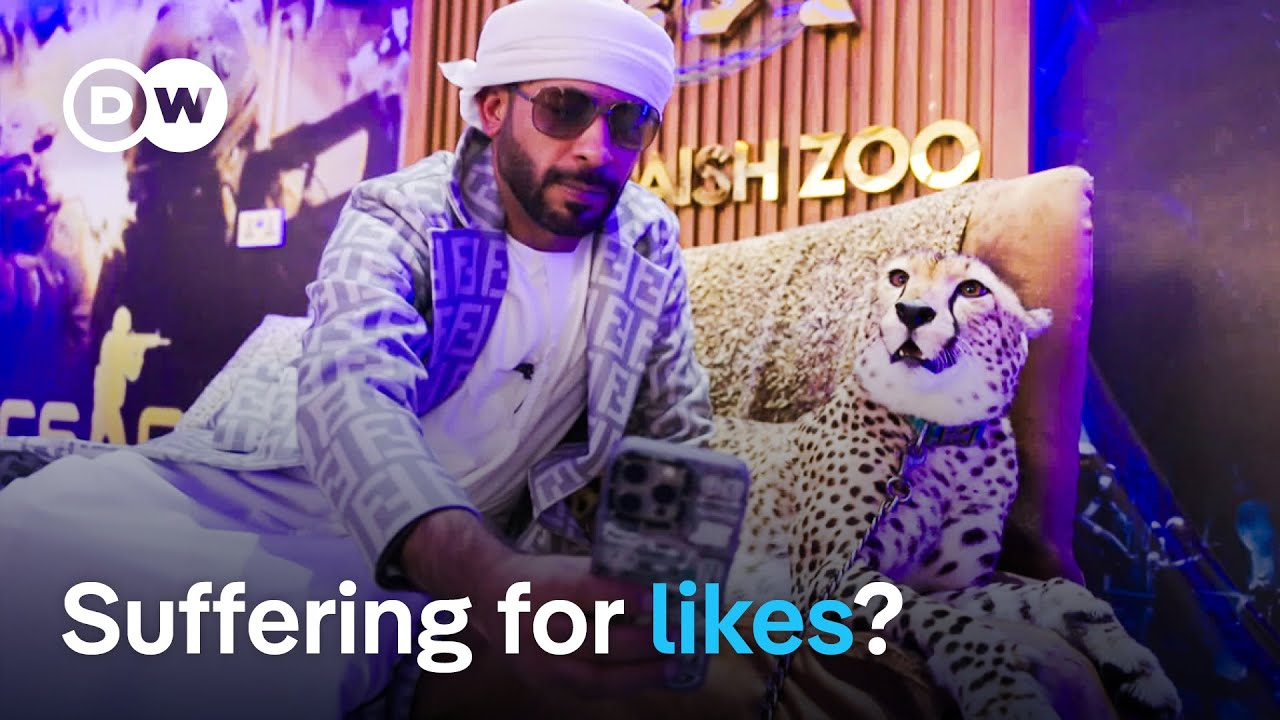
Beyond stress, there is exploitation and misinformation. Experts warn that some petfluencers may unintentionally encourage harmful pet practices. For example, accounts featuring exotic animals as pets are popular content for shock value. Such posts can motivate viewers to acquire exotic pets without understanding the consequences. Indian conservationists note that millions of young viewers might see influencers cuddling a leopard cub or a snake and think it’s glamorous thereby fuelling demand for smuggled wildlife. In Thailand, for instance, a selfie of pop star Rihanna holding a captive slow loris (an endangered nocturnal primate) went viral in 2013, it was liked by over 200,000 people and triggered law enforcement action.8 This case illustrates the danger, authorities later arrested two animal vendors, but the incident revealed how celebrity posts can inadvertently encourage illicit pet trade, and how public likes can incentivize illegal animal use
Since the Rihanna photo, wildlife NGOs have campaigned to dissuade such sharing. UK-based International Animal Rescue noted that slow lorises are not suitable pets-they are nocturnal, venomous and need complex care and that viral images send out the wrong message by normalizing lorises as toys. The group even coined the slogan “Tickling is Torture” to stop online voyeurism of lorises, highlighting that viral fame for these primates comes at the cost of their well-being. Their reports explain that by the time lorises are captured and sold, they often have had their front teeth illegally clipped to prevent bites and suffer malnutrition showing that the cute photo hides cruelty.
Legal and Policy Framework in India
Legally, India has some robust animal protection laws, but none directly address petfluencing. The Wildlife(Protection)Act,1972 as amended restricts trade and possession of wild species. Originally, many exotic animals were not listed, so private ownership was a loophole. Only recently were most formerly unprotected exotic species added to the schedules. Now, for any “exotic” pet that is listed, ownership requires official permission and registration through the government’s PARIVESH portal. In practice, however, many smugglers and unlicensed breeders skirt these rules. Times of India journalists note that dealers often sell animals “off the books” without paperwork, and even distribute fake PARIVESH certificates.9The result is that high-value species like scorpions, pythons, parrots, etc. continue entering the country illicitly.
Once an animal is within India, the Prevention of Cruelty toAnimals (PCA)Act, 1960 applies. This central law criminalizes various forms of cruelty: “beating, torturing or causing unnecessary pain” to animals, keeping them in confinement without movement, abandoning them, etc. In principle, staging a pet video that harms an animal could violate the PCA Act. For example, repeatedly startling a cat or forcing a dog to do painful tricks could arguably constitute “torture” or “unnecessary pain”.10However, enforcement is rare: the law is mainly invoked for overt abuse. There are no specific social-media regulations. Thus, Petfluencers largely operate in a grey zone- the same umbrella laws exist, but authorities seldom monitor Instagram or TikTok for PCA violations.
Animal activists have urged more explicit guidelines. In 2022, TheAnimalWelfareBoardof India issued a guideline for performing animals in entertainment, and generally vets receive “Performing Animal” (PSP) certificates for shows or ads, but these usually cover traditional acts like circuses or films rather than casual social media posts. 11The focus has been on curbing explicit cruelty or illegal trade. The Wildlife Crime Control Bureau and forest officials do intercept smuggling , but controlling social-media-fuelled demand is harder.
In effect, petfluencers face few legal checks. Using a non-endangered dog for viral stunts is not illegal under Indian law (PCAaside).Only if an influencer used an animal in a way clearly “torturous” (e.g. filming a dog fight) would it breach law. Similarly, Indian laws against cruelty and abandonment apply universally, but in practice personal pet content is rarely prosecuted. This regulatory gap worries experts. Without new rules or stricter monitoring, petfluencing remains largely self-policed by ethics rather than law.
Balancing Novelty and Cruelty
Petfluencing is a double-edged trend. Proponents and fans argue that such content is harmless fun- a novelty and a source of joy. One of the positive impacts petfluencers are said to have is to enlighten people about the animals, make them take the rescue pets as their own, and even help the charities in the process. Some accounts collaborate with shelters and promote anti abuse messages. In this view, petfluencers are just another facet of pet-human bonding that ultimately improves care standards.
On the other hand, critics see petfluencing as veering into exploitation. Animal rights groups emphasize that social media’s need for fresh, sensational content pushes some creators into unethical territory. Wiebke Plasse of World Animal Protection warns that petfluencing can result in cruelty when animals are forced into unnatural situations. Activists cite instances where feed-hungry trends lead to serious abuse , for example, staged “pet rescue” videos where small animals are put in life-threatening contrivances have appeared online.12
Industry voices in India reflect this tension. Supertails sees petfluencers as valuable storytellers, but also stresses that veterinarians remain the “most trusted influencers” for hard health advice. In other words, petfluencers can complement legitimate sources but not replace them. Some brands now vet their pet endorsements, ensuring no harm comes to the featured animals. On social media platforms, community awareness is rising too: many users now flag videos where pets look scared or uncomfortable. Indian netizens occasionally organize “call-outs” of influencers if they suspect cruelty.
But the ethical risks are real. Among animal lovers, there is a growing call, we should learn to see the stress signs in “cute” content and refuse to encourage suffering. As an illustration, an international campaign revolving around slow lorises gave an explicit instruction to social media users not to “like” or share photos of lorises being cuddled. The point was made that online acclaim, unfortunately, directly leads to the suffering of animals in the wildlife trade. 13
At the end of the day, the discussion about which side is right falls on petfluencers and the responsibility they have. Petfluencers and their followers need to balance the entertainment aspect with empathy. It is definitely possible to watch pet videos and not be indifferent to the situation of the animals.
Good petfluencing, as in providing training tips, sharing adoption stories, giving health facts, can have both the qualities of being engaging and educational at the same time. These accounts can be preferred by platforms, and the public can be their followers. Authorities and NGOs are requesting that pet influencers cease the use of such animals entirely, in addition to citing regulations and moral principles.
In India, where the change from being a novelty to becoming a cruelty can happen very quickly, the specialists recommend that petfluencers should pose this question to themselves: Is this something the animal is doing naturally and enjoys it? If not, it probably shouldn’t be shared for fun.
Conclusion
In conclusion, petfluencing is neither wholly innocent nor overtly villainous. It is a novelty with potential risks. As with any new media trend, its impact depends on the choices of participants and viewers. If petfluencers and audiences remain vigilant, celebrating the genuine bond with pets, not the exploitation of their fear or uniqueness – the trend can continue to brighten people’s feeds without causing undue harm. But if unchecked, the drive for virality could make a mockery of animal welfare. The available evidence suggests a middle path: petfluencers can coexist with compassion, but only if “no likes” go to content that harms animals.

Footnotes
- Cruelty in using pets or animals as influencers. FOUR PAWS in Australia – Animal Welfare Organisation. (2023a, September 27). https://www.four-paws.org.au/our-stories/publications-guides/cruelty-in-using-pets-or animals-as-influencers
↩︎ - Pandey, N. (2025a, December 8). Cute but cruel? research shows popular pet videos often cause stress. www.ndtv.com. https://www.ndtv.com/science/cute-but-cruel-research-shows-popular-pet-videos-often-cause stress-9769505
↩︎ - Pets make more “purr-suasive” social media influencers than people. University of Strathclyde, Glasgow. (2025a, April 8). https://www.strath.ac.uk/whystrathclyde/news/2025/petsmakemorepurr suasivesocialmediainfluencersthanpeople/
↩︎ - Pet influencers in India 2025. The Knowledge Company. (2025, June 3). https://tkc.in/pet-influencers-in-india the-next-big-thing-in-social-media-and-marketing-in-2025/
↩︎ - India’s Pet Care Industry 2025: Trends, growth & the rise of Pawrents. Market Xcel. (2025, April). https://www.market-xcel.com/blogs/pet-retail-reimagined-what-modern-consumers-want-today
↩︎ - Basu, S. (2025, April 19). Petfluencers, Luxury Grooming & Telemedicine: What’s next for India’s pet care revolution? The Financial Express.
https://www.financialexpress.com/life/lifestyle-petfluencers-luxury grooming-amp-telemedicine-whats-next-for-indias-pet-care-revolution-3814763/ ↩︎ - Harris, M. (n.d.). People are going viral with “pet fail” videos, but vets say the stunts could cause long-term damage to an animal’s health. Business Insider. https://www.businessinsider.com/pet-fail-videos-vets-danger harmful-animals-abuse-health-2020-4
↩︎ - Saad, N. (2013, September 23). Rihanna’s photo with endangered animal leads to two arrests. Los Angeles Times. https://www.latimes.com/entertainment/gossip/la-et-mg-rihanna-slow-loris-thailand-arrest-20130923- story.html
↩︎ - Fernandes, J. R. (2025, October 8). You are looking at victims of India’s “Petfluencers.” The Times of India. https://timesofindia.indiatimes.com/times-special/you-are-looking-at-victims-of-indias petfluencers/articleshow/124383884.cms
↩︎ - Kavuri, T. (2020, January 1). Full title name: overview of animal laws in India. Animal Law Legal Center. https://www.animallaw.info/article/overview-animal-laws-india
↩︎ - India, A. W. B. of. (n.d.). Performing animal. Animal Welfare Board of India, Government of India. https://awbi.gov.in/view/index/performing-animal
↩︎ - Plasse, W. (2025, May 18). Animals on Instagram – Costumed dogs and tigers in Lamborghinis. YouTube. https://www.youtube.com/watch?v=MpnDoUW2-Ck&t=1s
↩︎ - The truth behind the Slow Loris Pet Trade. International Animal Rescue. (2021, January 29). https://www.internationalanimalrescue.org/truth-behind-slow-loris-pet-trade
↩︎
Author

About the Author