Abstract
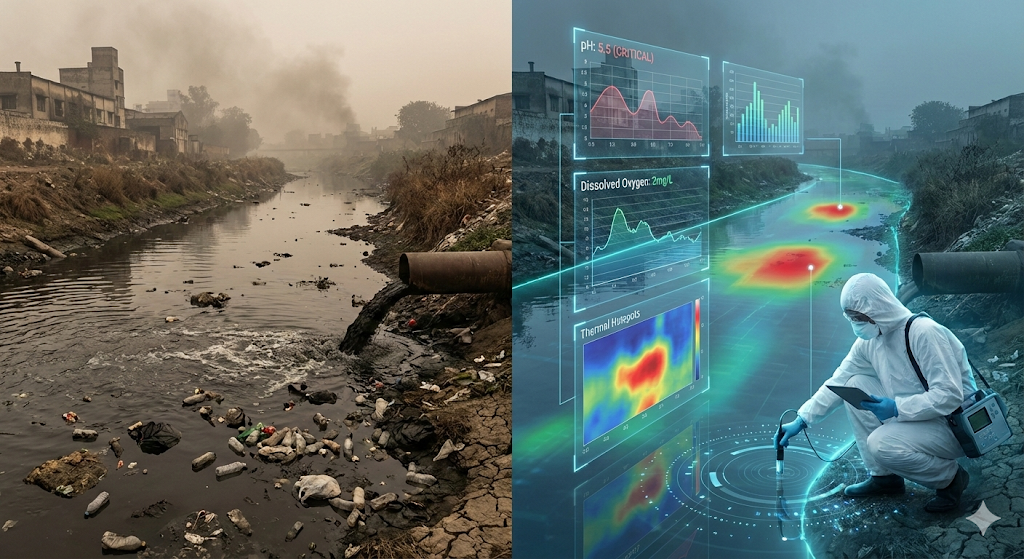
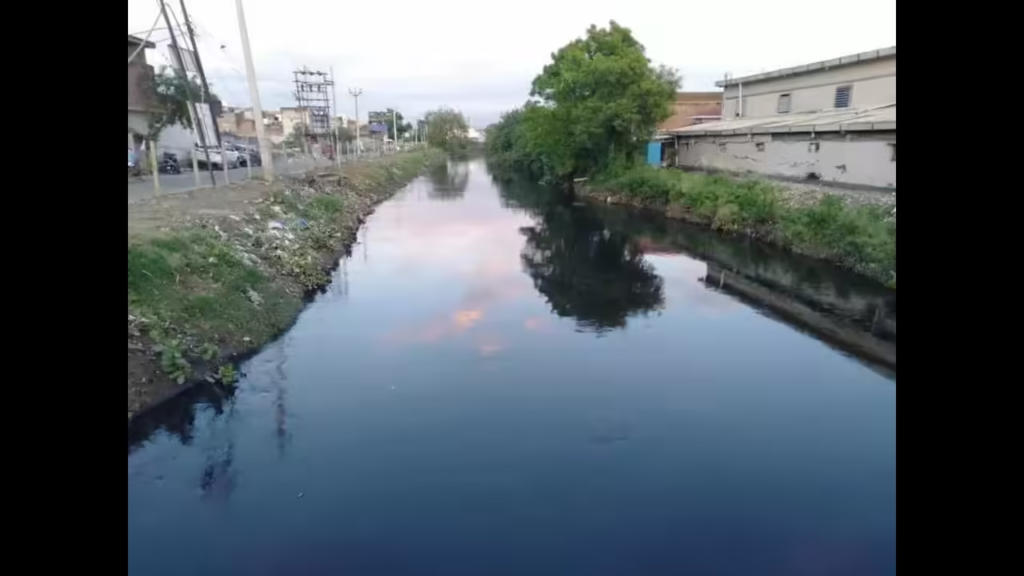
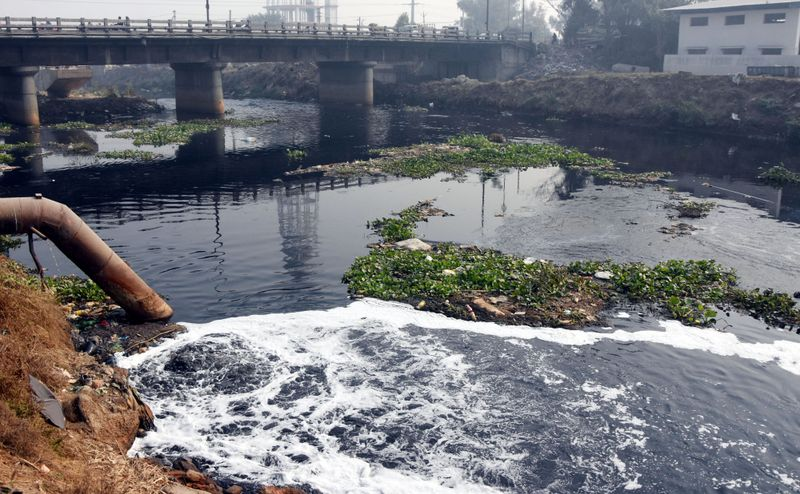
Buddha Dariya (commonly referred to as Buddha Nullah) is a channel traversing Ludhiana city before joining the Sutlej River. Over the decades, industrialization, unregulated dairy and domestic discharges, encroachments, and insufficient enforcement have transformed the channel into a heavily polluted drain with grave ecological and public health implications.
This paper synthesizes scientific studies, newspaper investigations and recent regulatory actions to-
- characterize pollutant sources and transport pathways;
- evaluate impacts on water quality, soils, sediments, biota and human health;
- review legal, institutional and citizen-action responses — notably those by the Public Action Committee (PAC); and
- propose prioritized remediation and governance actions.
The assessment draws on peer-reviewed genotoxicity and heavy-metal studies, multiple newspaper reports, and NGT case activity to provide an integrated, evidence-based appraisal of the crisis facing Buddha Dariya and downstream ecosystems.
Introduction and Context
Buddha Dariya (Buddha Nullah) historically served as a natural rivulet and local drainage corridor in Punjab’s Malwa region. As Ludhiana expanded into one of India’s major industrial and textile hubs, the nullah has become a receptacle for untreated or inadequately treated industrial effluents (notably from dyeing and textile units), municipal sewage, dairy waste (cow dung and wastewater from dairy complexes) and illegal solid-waste dumping. The channel ultimately discharges into the Sutlej River, creating potential downstream risks to irrigation, groundwater and riverine ecology. Recent judicial scrutiny, media investigations and civic activism have focused attention on persistent noncompliance by some Common Effluent Treatment Plants (CETPs) and other pollution.
Pollution Sources and Transport Pathways
Industrial effluents (dyeing, textile, metal finishing)
Ludhiana hosts large clusters of dyeing and textile units and ancillary metal-finishing industries that generate wastewater with high organic load (BOD/COD), dyes and heavy metals (Cr, Pb, Ni, Cd, Co). While CETPs exist to manage collective effluent, multiple investigations and recent NGT proceedings indicate operational, compliance and legal shortfalls in some CETPs and industrial clusters — including alleged discharge of inadequately treated effluent into the nullah. These failures amplify pollutant loads and generate persistent contamination hotspots along the channel.
Domestic sewage and urban runoff
Expansion of urban settlements, incomplete sewer connectivity and stormwater inflows have continually added untreated domestic sewage, suspended solids and urban contaminants to the nullah. During monsoon events, urban runoff mobilizes contaminants and overloaded systems contribute high BOD/COD and pathogen loads to the channel.
Dairy waste (cow dung) and localized dumping
Large dairy complexes — especially around Haibowal and Tajpur Road — have repeatedly been implicated in dumping cow dung and dairy effluents directly into Buddha Dariya. Cow dung represents a large organic and nutrient input (promoting eutrophication) and often a driver of strong oxygen depletion, foul odors and elevated fecal contamination.1 Municipal measures and recent contracts to manage dung collection indicate recognition of the problem, but persistent noncompliance remains an issue.
Encroachments and channel alteration
Construction of retaining walls, roads and other encroachments has narrowed channel widths in multiple reaches, restricting flow, increasing sedimentation and raising flood/backflow risk during heavy rains. The narrowing of the natural channel reduces flushing capacity, increasing residence time for pollutants and facilitating accumulation of contaminated sediments. PAC and other actors have contested several such encroachments.2
Evidence from Water, Soil and Genotoxicity Studies
Physico-chemical and heavy-metal contamination
Multiple peer-reviewed investigations show that water and bank soils of Buddha Nullah contain heavy metals at concentrations exceeding national and international guideline values. Measured metals include lead (Pb), cobalt (Co), chromium (Cr), nickel (Ni), cadmium (Cd) and others; some sites show persistent exceedances, indicating industrial fingerprints combined with urban sources. Soil contamination indices computed in studies reveal moderate to very high pollution for several metals, suggesting cumulative deposition and ecological risk in riparian zones.
Genotoxicity and biological hazards
A prominent study using the Allium cepa root chromosomal aberration assay and plasmid DNA nicking assays demonstrated genotoxic activity in multiple water samples from the nullah, with a positive correlation between certain metal concentrations (e.g., cobalt) and genotoxic effects. Such assays indicate that the water contains agents capable of damaging DNA and causing chromosomal aberrations — an early-warning signal for ecological and potential human-health risks.
Sediment and soil as contaminant sinks
Sediments and bank soils act as long-term sinks for metals and hydrophobic organics. Analyses show elevated metal burdens in roadside and riparian soils; sediments may remobilize contaminants under altered flow, pH or redox conditions, creating long-term management challenges even after point sources are controlled.
Ecological and Human-Health Impacts
Aquatic biota and biodiversity
High organic loads, intermittent low dissolved oxygen, toxic metals and genotoxins make aquatic habitats inhospitable to sensitive species. While systematic long-term biodiversity surveys are limited, observable indicators — foul odor, discolo-ration, episodic fish kills and reduced aquatic vegetation — point to substantial ecological simplification and reduced ecological functioning.
Riparian vegetation and food-chain transfer
Plants near contaminated banks take up metals that may enter the food chain. Agricultural users relying on canal or river water downstream risk accumulation of contaminants in crops. The potential for heavy-metal transfer into human diets is a plausible pathway for chronic exposure, although rigorous epidemiological linkage studies remain scarce.
Public health considerations
Genotoxic water carries a theoretical risk for long-term outcomes (mutagenesis, carcinogenesis) if exposure pathways (drinking water, groundwater, food) are present. Acute risks (waterborne disease outbreaks, skin infections and odor-related impacts) are also tangible for communities exposed during floods or in informal settlements adjacent to the nullah. Multiple media reports document community complaints and official concern about health impacts during episodic pollution events.
Institutional, Legal and Citizen Responses
Public Action Committee (PAC): activism and litigation
The Public Action Committee (PAC), also termed Buddha Dariya Action Front in some reports, has played a pivotal role in documenting violations, organizing inspections, filing petitions in the National Green Tribunal (NGT) and demanding accountability for encroachments and CETP noncompliance. PAC’s on-ground inspections (for example near Tajpur dairy complex) have produced photographic and documentary evidence of cow-dung dumping, solid-waste deposition and unregulated discharges. PAC has also filed petitions and contempt pleas against the Punjab Pollution Control Board (PPCB) and CETP management for alleged noncompliance and inaction. These interventions have catalysed judicial focus and investigation committees.
Regulatory agencies and judicial action
The National Green Tribunal and state regulators have initiated inquiries, issued notices and demanded compliance from CETPs and municipal bodies. Several CETPs have faced monetary penalties, and high-level review committees have been constituted to prepare remediation roadmaps. However, enforcement gaps persist, and media investigations repeatedly report continuing discharges and operational lapses. Recent major hearings have clubbed multiple petitions to create a consolidated legal process focusing on CETP roles and municipal duties.
Local government measures (dung management contract)
Recognizing the scale of dairy waste, Ludhiana Municipal Corporation contracted a private firm in a multi-crore deal to collect and process cow dung from major dairy clusters on GPS-tracked vehicles, with options for conversion to biogas or compost. While the contract indicates a pragmatic step toward source control, its success depends on implementation, stakeholder cooperation and continuous monitoring.
Gaps, Constraints and Priority Actions
Key Gaps and Constraints
The current state of research and management regarding the Buddha Dariya reveals several persistent gaps and systemic constraints. Firstly, in terms of data and monitoring, most available studies provide only fragmented, snapshot assessments rather than continuous, spatio-temporal monitoring that links pollutant loads to corresponding health outcomes. This lack of long-term and integrated data severely limits the ability to understand evolving pollution dynamics. Secondly, issues of enforcement and governance remain prominent.
Repeated instances of Common Effluent Treatment Plant (CETP) lapses, unchecked municipal encroachments, and continued dumping of dairy waste highlight significant enforcement weaknesses and poor institutional coordination among concerned agencies. Lastly, the complexity of remediation adds to the challenge, as many pollutants are bound within sediments, creating long-term reservoirs of contamination. Effective remediation thus demands advanced technical expertise to prevent the remobilization of these toxic elements during cleanup operations.
Priority Actions (Recommended)
To address these critical gaps, several priority interventions are recommended. Source control and compliance should be the foremost focus, with strict enforcement of zero tolerance for untreated industrial discharge. This includes immediate strengthening of CETP audits, installation of online effluent monitoring systems, and the imposition of swift penalties for violations. In parallel, dairy waste management must be enhanced through the full enforcement of dung-collection contracts, promotion of biogas and composting initiatives, and development of cooperative disposal frameworks for dairy owners to ensure sustainable waste handling.
Channel rehabilitation and buffer restoration are equally crucial and should involve the systematic removal of illegal encroachments, the restoration of riparian buffer zones using native vegetation, and selective sediment management based on environmental risk assessments. Lastly, long-term monitoring and public participation must form the backbone of an accountable management framework. This requires establishing an independent, publicly accessible monitoring portal, engaging the Public Action Committee (PAC) and citizen science groups in data collection and reporting, and commissioning detailed epidemiological studies to examine the link between pollution exposure and human health outcomes.
Conclusion
Buddha Dariya’s deterioration exemplifies how complex mixtures of industrial, municipal and agricultural sources can overwhelm urban waterways when institutional frameworks and enforcement lag behind economic development. Scientific evidence (heavy metal assays, genotoxicity tests) documents real chemical and biological hazards; media investigations and PAC activism reveal persistent governance and implementation deficits. Restoration therefore requires integrated action across enforcement, source management (including dairy waste), ecological rehabilitation, transparent monitoring and community participation. The recent traction in NGT hearings, municipal contracting for dung management and PAC’s legal activism provide promising governance levers — but they must be backed by rigorous monitoring, independent audits and sustained political commitment to convert orders into on-ground improvements.
References
- Kaur, J. et al., “A study on water quality monitoring of Buddha Nullah (Ludhiana, Punjab, India)”, Environmental Monitoring and Assessment (2020). PubMed
- The Tribune, “Why Buddha Nullah clean-up continues to be a lost cause.” Dec 8, 2024. The Tribune
- Times of India, “PAC files plea against PPCB & CETP directors in NGT” (Buddha Dariya pollution), Jun 30, 2025. The Times of India
- Times of India, “Pollution of Buddha Nullah: NGT focuses on CETP role”, Aug 6, 2025. The Times of India
- Times of India, “MC ropes in pvt firm to drain dung in Buddha Dariya”, (contract details), [recent article]. The Times of India
- The Tribune, “Dairies to face music for dumping cow dung in Buddha Dariya”, Jul 29, 2025. The Tribune
- Hindustan Times, “Ludhiana: MP slams MC, PPCB as toxic waste flows into Buddha Nullah”, Jul 20, 2025. Hindustan Times
- ResearchGate / MDPI studies on soil contamination adjacent to Buddha Nullah (Kaur et al. soil study). ResearchGate
Footnotes
- Media coverage and investigative reporting on the historical failures, spending and ongoing clean-up challenges: The Tribune, “Why Buddha Nullah clean-up continues to be a lost cause.” ↩︎
- T. Kaur et al., A study on water quality monitoring of Buddha Nullah, which documents genotoxicity and heavy metal contamination in multiple sampling sites. ↩︎
Author

About the Author