Image source: https://www.shutterstock.com/image-photo/veterinarian-wearing-gloves-examining-cows-600nw-2675578045.jpg
Abstract
People for Animals, the Blue Cross of India, Wildlife SOS, and regional civil society organizations are examples of NGOs engaged in animal care. They run rescue facilities, perform sterilizations, push for legislative change, and carry out compassionate outreach. An extensive network of organized action encompassing the stray, farmed, wildlife, and advocacy realms is shown by a recent crowd-mapping of NGOs in India. Animals lack the innate intelligence to communicate or articulate their issues. Some non-governmental organizations that are aware of their suffering are fighting for their rights in such circumstances. This research paper’s goal is to examine the several non-environmental groups that support animal rights in India. India has legislation pertaining to animal rights. Only when an animal’s voice signals that its rights have been violated can it be granted rights. The purpose of the study was to determine what sorts of problems non-governmental groups have when establishing legal animal rights activity and how to address them. In order to safeguard animals in India and other nations, non-governmental organizations are crucial in bringing up animal issues in a variety of contexts. The study looks at the many kinds of animal rights abuses as well as the function of NGOs in connection with the particular legislation and roles of NGO to protect animal rights and animal welfare.
Key Words
Non-Government Organization, Animal Welfare, Animal Rights, Observations
Introduction
In India, where a range of anthropogenic and natural factors constantly jeopardize the welfare of animals, including stray dogs, cattle, working animals, and wildlife species, animal protection is still a crucial and developing issue. With more than 300 million livestock and an estimated 60 million stray canines, India has a huge and complicated animal welfare responsibility (Kaur & Singh, 2025).
Amidst India’s vibrant culture and busy streets, there is a silent pain that is frequently overlooked: the predicament of abandoned animals. The problem of abandoned animals is complex and has wide-ranging effects, ranging from wounded cows left to wander aimlessly to stray canines foraging for food. The issue of unfortunate abandoned animals in India is caused by a confluence of cultural attitudes and socioeconomic causes. Due to financial limitations or a lack of knowledge about ethical pet management, communities have been uprooted as a result of rapid urbanization, leaving pets behind or abandoned. Additionally, cultural customs like the notion that feeding stray animals results in good karma can cause overcrowding and mistreatment of such (Kachiza et al., 2024).
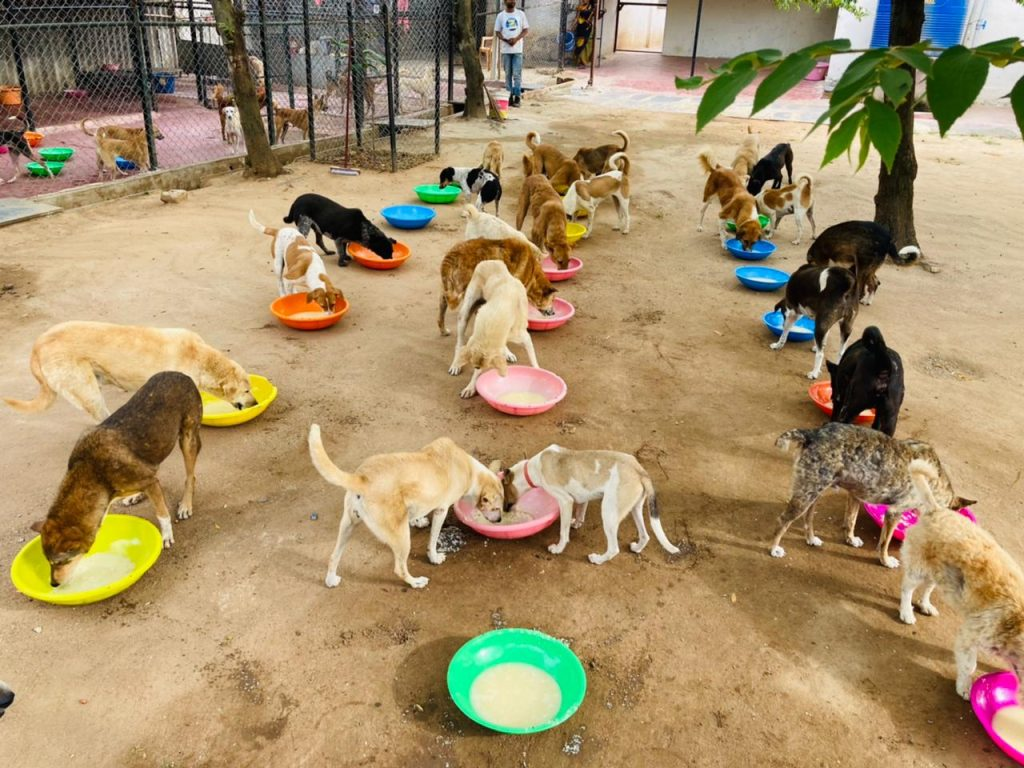
Stray and abandoned animals deal with a lot of difficulties. They are susceptible to starvation and dehydration since they frequently struggle to get enough food and clean water. They are exposed to severe weather without the security and warmth of a house, which can worsen their health. These creatures are also more vulnerable to illnesses, injuries, and collisions with cars or other hazardous circumstances (Mohammed ,2023). In carrying out its aim to support animal welfare and encourage humane treatment of animals in India, People for Animals must overcome a wide range of obstacles. Stakeholders from a variety of sectors, including governmental bodies, civil society organizations, communities, and individuals dedicated to building a more sustainable and compassionate future for animals, must work together to address these issues.
The Prevention of Cruelty to Animals Act of 1960 and Article 51A(g) of the Constitution, which require compassion for all living things, provide a robust legislative framework, but implementation on the ground is still uneven. Abuse, neglect, overwork, lack of veterinary treatment, illicit trafficking, and an increase in human-animal conflicts are among the many issues that animals commonly encounter, particularly in peri-urban and rural areas. For example, human-elephant conflict in Assam and Odisha, as well as an increase in urban monkey violence, underscore the critical need for systemic solutions (MoEFCC, 2023).
Animal rights organizations frequently take part in policy advocacy, influencing laws to shield animals from abuse and exploitation. They strive to strengthen and implement laws that protect the rights and welfare of animals through lobbying. Their efforts help to create a legal system that takes changing moral principles into account (Deshmukh, 2024).
It is disgusting to witness people using animals cruelly in various contexts, such as bazaars, the tourist business, or rigid norms and traditions. In any event, it would be considered double dealing to abandon animals or subject them to any kind of punishment while using them for rational or remedial experimentation. The efforts made by NGOs, charitable organizations, and trusts to protect animals and continuously promote awareness of fundamental rights are admirable and need to be cherished by everyone. One of the duties of the human race is to contribute to the advancement of organisms, and this should be done on a regular basis. Many lives could be saved with a small amount of dedication.
Every creature is eligible for a respectable and stable life in which they can enjoy the advantages of riches. NGOs ensure this by continuously providing shelter, medical care, food, and sustenance to animals in the general public. NGOs are also successfully linked to the fight for fundamental rights. When there are instances of cruelty toward animals in the public spotlight, NGOs record these incidents. The most neglected animals are those that are homeless; non-governmental organizations ensure that these animals receive assistance during accidents and illnesses. An overview of the NGOs and organizations that provide creature government aid.
Non-governmental organizations (NGOs) are essential in making sure that animals that are prone to be neglected receive proper care because animal welfare is vitally important everywhere, including in India. It participates in the rescue of stray and mistreated animals, making every effort to guarantee that the animals receive proper care and are adopted. There is some optimism that these animals can be given a chance at a better life because these organizations provide them with love, care, and medical attention.
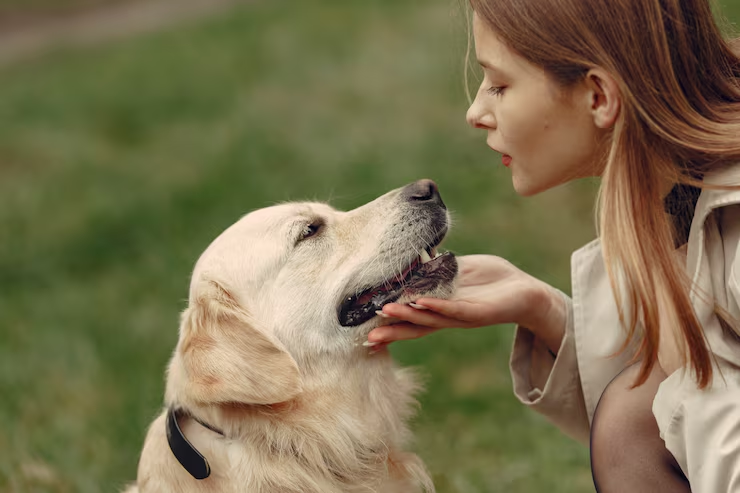
Animals require non-governmental organizations (NGOs) for a number of reasons, including the fact that other people who may be in close proximity to animals might not be aware of the fact that animals require more than just physical medical assistance, such as housing for stray animals who have been abused or treatment for various ailments. These animals receive a second chance at life because of the help from non-governmental organizations, who provide them with proper care in a secure setting.
Advocacy and support for animal rights and welfare, in addition to treatment, are some of the particular principles that NGOs uphold when working with animals. They strive to amend legislation, advocate for humane treatment of animals, and increase public awareness of instances of animal abuse. These groups support and encourage social and policy changes to improve how animals are treated in all societies.
The support of the creature government incorporates a creature’s capacity to adjust to its surroundings and variables, as well as its own personal fulfillment. In any case, that results in a vast array of initiatives and exercises as well as several explanations. Shelters, social ties, rigid associations, reputable organizations, humanitarian relief initiatives—the list could go on—to enormous international connections with. There are hundreds, if not many, branches or individuals spread over the globe. In this section, we take a moment to consider the tremendous amount of work that these organizations have done and still do to protect fundamental freedoms worldwide.
Objectives of the Study
- To study the existing review of literature regarding work of NGOs for animal welfare
- To examine role of NGO for animal welfare
- To study NGO activity with a focus on how they provide direct assistance to individuals whose liberties have been infringed.
Role of NGO for Animal Welfare
ABC programming and sterilization
Animal Birth Control (ABC) operations, which combine sterilization, microchips, immunization, and community-care feedback loops in accordance with PCA Act standards, are managed by Delhi’s Municipal Corporation and affiliated NGOs. A current initiative seeks to sterilize and microchip 70–80% of Delhi’s stray canines in two months. To manage the number of stray dogs in a humane manner, the Animal Birth Control (ABC) Program was implemented, which involves sterilizing and immunizing stray dogs. Local animal rights organizations and PETA (People for the Ethical Treatment of Animals). Municipal corporations and welfare organizations have collaborated to carry out the scheme.
Public Education and Outreach
Studies reveal that community and school-based awareness campaigns have a big impact on compassionate attitudes and shelter support engagement. Public education lowers abuse and boosts adoption rates. NGOs have been effective in bringing issues like puppy mills, farm animal welfare, and ethical consumption to the public’s notice through media campaigns.
Conservation Initiatives and Protected Areas
One of the main Hangul protected areas is the Dachigam National Park, which is close to Srinagar. The Jammu and Kashmir State Forest Department and non-governmental organizations have made a number of steps to stop poaching and preserve the habitat of the Hangul. The government has established conservation initiatives centered on breeding, restoring the species to its natural habitat, and population monitoring, and surveillance and patrolling activities have been stepped up.
Policy Reform and Legal Advocacy
NGOs such as People for Animals advocate for the Prevention of Cruelty to Animals (PCA) Act 1960 to be enforced more strictly, with revised penalties, regulatory supervision, and enhanced accountability. Increased fines (up to €75,000) and more severe penalties for heinous cruelty offenses are the goals of recent proposed revisions. In order to convert moral standards into legally binding public policy, policy researchers stress the necessity of successful civil society campaigning.
Conclusion
NGOs and young volunteers work together to strengthen the grassroots movement for animal protection in India. While kids contribute vitality, flexibility, local trust, and cultural resonance, NGOs provide structure, technical expertise, infrastructure, and advocacy. When combined, they improve public empathy, policy advocacy, sterilization, and rescue, particularly in underserved rural, tribal, and urban regions (Kaur & Singh, 2025). Animal rights organizations raise awareness about the moral treatment of animals and act as strong advocates for voiceless beings. They are essential in teaching the public about topics like animal testing, factory farming, and the preservation of endangered species. These NGOs help create a society that is more knowledgeable and sympathetic by spreading knowledge and encouraging compassion (Animal Equality India, 2024). When it comes to involving communities in animal rights campaigns, NGOs are essential. They promote a sense of accountability and compassion for animals by planning workshops, awareness campaigns, and outreach initiatives. In addition to immediately benefiting animals, this community involvement helps build a more peaceful and caring society (Deshmukh, 2024). NGOs operate benevolently toward government support since they don’t make any assumptions about the benefits they will receive. NGOs are also linked to raising awareness of government support for animals on a larger scale. One way to support basic rights and government help is to spread mindfulness.
References
- Aktar, N. (2023). Dhaka’s dual crisis: A call for collective action on waste contamination and homeless animal welfare. International Journal of Research Innovation and Social Studies, 7, 12.
- Animal Equality India. (2024). The Significance of NGOs and the Impact of Animal Rights NGOs on World NGO Day. Retrieved on December 7, 2025 from https://animalequality.in/blog/the-significance-of-ngos-and-the-impact-of-animal rights-ngos-on-world-ngo-day/
- Bayvel, A. D., & Cross, N. (2010). Animal welfare: a complex domestic and international public-policy issue—who are the key players?. Journal of Veterinary Medical Education, 37(1), 3-12.
- Bos, J. M., Blok, V., & Tulder, R. V. (2013). From confrontation to partnerships: The role of a Dutch Non-Governmental Organization in co-creating a market to address the issue of animal welfare. International Food and Agribusiness Management Review, 16, 69-75.
- Buurma, J., Hoes, A. C., de Greef, K., & Beekman, V. (2017). Role of NGOs in system innovation towards animal friendly pork production in the Netherlands. AgroEcological transitions: Changes and breakthroughs in the making.
- Cox, J. H. (2006). Handbook for NGO success with a focus on animal advocacy
- Deshmukh, A. (2024). The Significance of NGOs and the Impact of Animal Rights NGOs on World NGO Day. Retrieved on December 7, 2025 from https://animalequality.in/blog/the-significance-of-ngos-and-the-impact-of-animal rights-ngos-on-world-ngo-day/
- Daut, E. F., Brightsmith, D. J., & Peterson, M. J. (2015). Role of non-governmental organizations in combating illegal wildlife–pet trade in Peru. Journal for Nature Conservation, 24, 72-82.
- Facci, M. (2024). Multispecies health, wellbeing, and care: An antispeciesist critical study.
- Maciel, C. T., & Bock, B. (2013). Modern politics in animal welfare: The changing character of governance of animal welfare and the role of private standards. The International Journal of Sociology of Agriculture and Food, 20(2), 219-235.
- Mohammed Khanis (2023): “Unveiling the Plight: The Increasing Suffering of Stray Dogs and Cats Doi https://www.linkedin.com/pulse/unveiling-plight increasingsuffering-stray-dogs-cats-mohammed-khamis
- Kachiza et al., (2024) Multidimensional Role of NGO in the Management of Physical and Mental Health of Abandoned and Stray Animals-A Case study of People for Animal (PFA). Innovation and Integrative Research Center Journal ISSN: 2584-1491
- Kaur, H. & Singh, R. (2025). ROLE OF NGOs AND YOUTH IN ANIMAL PROTECTION: A GRASSROOTS PERSPECTIVE, Retrieved on December 7, 2025 from
- https://www.researchgate.net/publication/394718835_ROLE_OF_NGOs_AND_YOU TH_IN_ANIMAL_PROTECTION_A_GRASSROOTS_PERSPECTIVE
- Ministry of Environment, Forest and Climate Change. (2023). Status of human–wildlife conflict in India. Government of India.
- Pandharbale, S. A., & Pandharbale, A. (2013). Role of NGOS in animal right movements worldwide. International Journal of Physical and Social Sciences, 3(1), 152-161.
Author

About the Author