
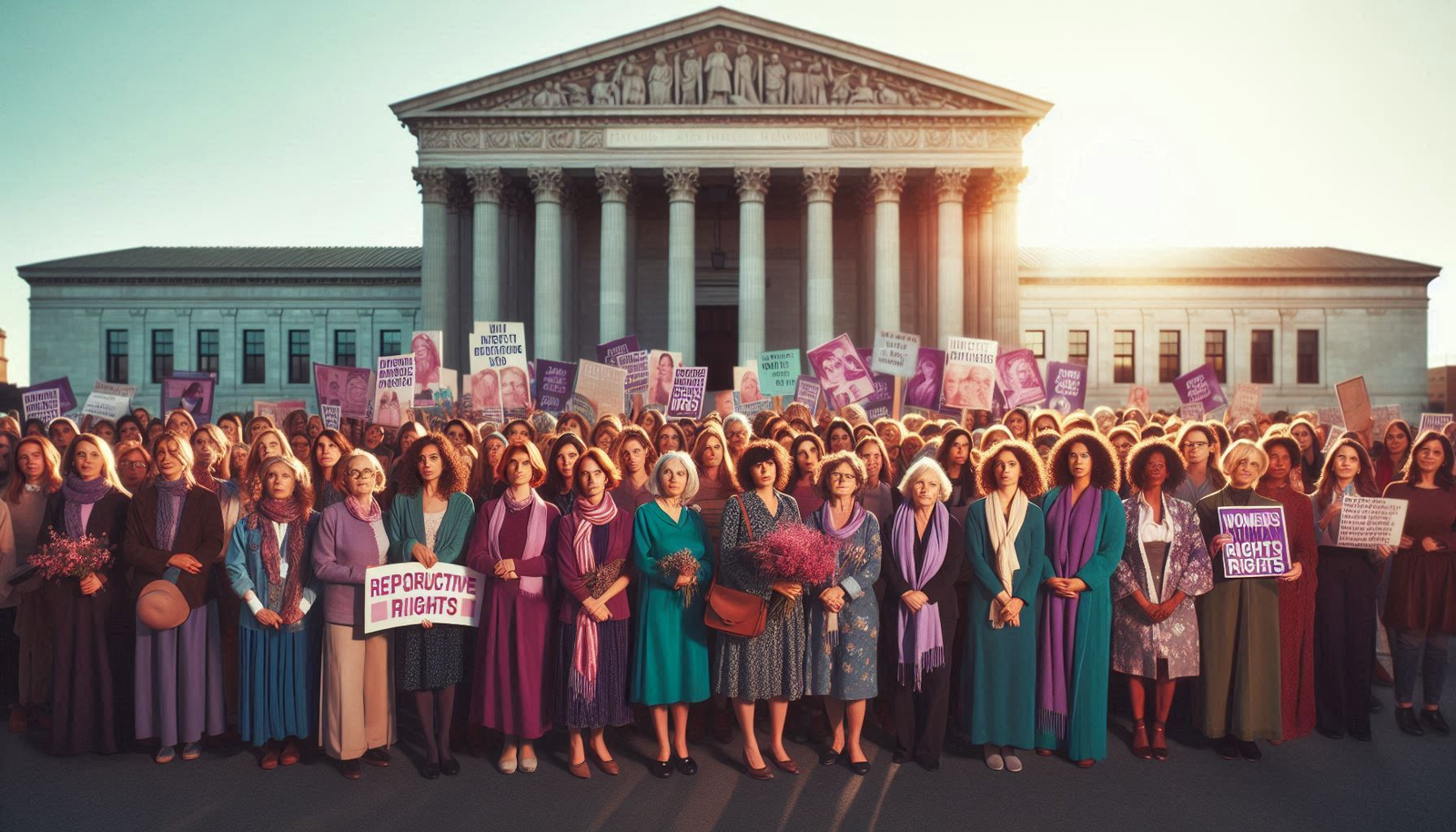
In the fight for women’s human rights, reproductive rights, which are broadly defined to include the ability of women to choose the number, spacing, and timing of their children; to obtain modern forms of contraception; to have a safe and legal abortion; to receive adequate maternal health care; and to receive comprehensive information and services pertaining to sexuality and reproduction, have become a crucial arena. Fundamentally, these rights protect the right to health, gender equality, non-discrimination, and physical autonomy. Reproductive rights are human rights for women, according to numerous declarations from international human rights organizations such as the Office of the United Nations High Commissioner for Human Rights (OHCHR) and the United Nations Entity for Gender Equality and the Empowerment of Women (UN Women)1.
This article examines the normative foundation of reproductive rights, the ways in which they underpin women’s human rights, continuing global and national challenges (with a focus on India), and paths forward for realising these rights in practice.
Normative Foundations of Reproductive Rights
The concept of reproductive rights gained prominence in international forums during the 1990s, especially following the International Conference on Population & Development (ICPD, 1994) and the Fourth World Conference on Women (Beijing, 1995). The ICPD Programme of Action recognised the right of individuals and couples to decide freely and responsibly the number and spacing of their children, and to have access to the information, education and means to do so2.
Under human rights law, reproductive rights derive from a constellation of inter‐related rights: the right to life; the right to the highest attainable standard of health; the right to privacy; the right to non-discrimination; and the right to autonomy and bodily integrity. In its information series, OHCHR outlines that “sexual and reproductive health and rights encompass both the freedom to control one’s own health and body and the right to enjoy … conditions necessary for the highest attainable standard of sexual and reproductive health.”3
Furthermore, human rights treaty-bodies have recognised that impediments to reproductive decision-making (for example, coercive sterilisation or denial of services) constitute violations of rights to health, privacy, equality and freedom from torture or degrading treatment.4
In a 2022 statement, UN Women reaffirmed that “reproductive rights are integral to women’s rights,” emphasising that if safe and legal access to abortion is restricted, women are driven to unsafe methods—with disproportionate harm for poor or marginalised women.5
Thus, the normative foundation for reproductive rights is robust: women must have the capacity and agency to make decisions about their bodies, reproductive lives and participation in society, free of discrimination, coercion or violence.
Why Reproductive Rights Matter to Women’s Human Rights
Reproductive rights do not stand in isolation — they are a cornerstone of women’s human rights because their realisation enables and reinforces a range of other rights and freedoms.
Bodily autonomy and integrity
At its most basic level, reproductive rights affirm that a woman has the right to control what happens to her own body. This autonomy is central to dignity, self-determination and liberty. When women are denied access to contraception, abortion, or safe delivery services, their bodily autonomy is compromised and human rights are undermined.6
Gender Equality
Women’s ability to decide if and when to have children heavily influences their opportunities in education, employment, political participation and economic life. Reproductive autonomy thus becomes a gateway to gender equality and full citizenship. As one UN commentary holds: “Reproductive health and rights allow women to be in control of their own bodies … Reproductive rights are human rights, and gender equality … depends on women’s ability to fully exercise them.”7
Right to health and life
Unsafe pregnancy, childbirth and abortion remain major causes of maternal mortality and morbidity globally. Ensuring safe, legal and accessible reproductive services is deeply connected to the right to life and the right to the highest attainable standard of health.8
Economic and social development
Reproductive rights have wider societal and developmental implications. When women and girls are empowered to participate fully in society, their communities and nations benefit. The SDG agenda recognises sexual and reproductive health and rights (SRHR) as integral to sustainable development.9
Elimination of discrimination and violence
Restrictions on reproductive decision-making often stem from gendered norms, discrimination and violence (including forced sterilisation, denial of services, or legislation that treats women differently). Thus, reproductive rights are intimately connected with the fight against gender-based discrimination and violence.10
In sum, a violation of reproductive rights is not a narrow health or policy issue—it is a violation of many fundamental human rights and of the promise of gender equality.
Global and Indian Realities: Barriers and Gaps
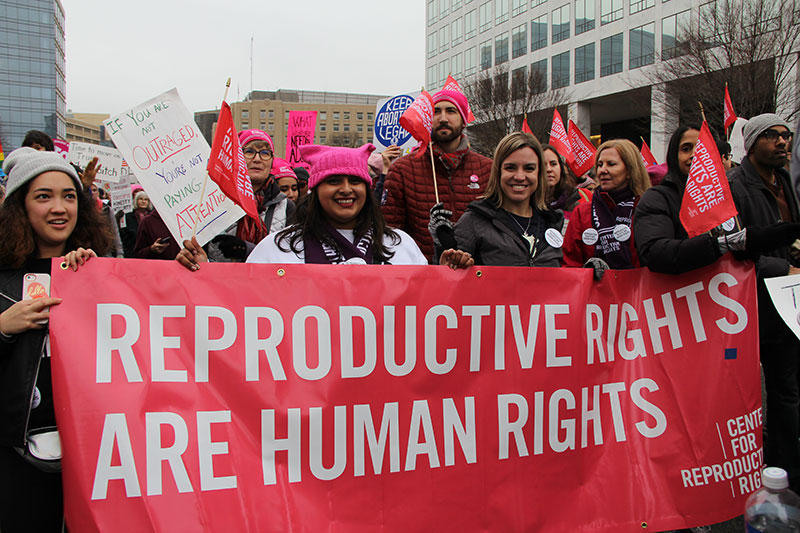
Despite normative clarity, the realisation of reproductive rights remains incomplete globally—and in India significant gaps persist.
Global perspective
Worldwide, many women still lack access to comprehensive sexual and reproductive health services, accurate information, modern contraceptives, safe and legal abortion, and maternal health care. For example, it is estimated that 214 million women in developing countries who want to avoid pregnancy are not using a modern method of contraception.11
Moreover, progress is uneven: a WHO review noted that although the Beijing Declaration affirmed that women’s rights are human rights, insufficient investment and persistent gender inequality mean that progress has been superficial and slow.12
Resistance and backlash are also growing—legislative roll-backs, stigma, criminalisation and cultural norms continue to undermine reproductive autonomy.
The Indian context
An editorial on the Indian context outlines multiple challenges13:
- The notion of reproductive and sexual rights of women in India is still narrowly understood—often restricted to child marriage, female foeticide, sex-selection and menstrual hygiene—rather than a comprehensive understanding of reproductive autonomy.
- India still records high numbers of maternal deaths, according to UNICEF and World Bank data, India experiences approximately 45,000 maternal deaths annually.
- Unsafe abortion remains a significant cause of maternal mortality. The editorial reports that half the pregnancies in India are unintended, about a third of that lead to abortion, and only 22% of abortions are done in recognised public or private health facilities.
- There is inadequate access to safe abortion clinics and stigma inhibits young and unmarried women from seeking services; doctors sometimes require parental or spousal consent despite the law not mandating it.
- The Medical Termination of Pregnancy Act, 1971 limits termination eligibility in many cases (for example, requiring special permission for pregnancies beyond 20 weeks), and the law does not sufficiently accommodate non‐medical concerns such as economic burden or career consequences for women.
- Judicial developments, however, have affirmed reproductive rights: e.g., the Puttaswamy v. Union of India14 recognised the constitutional right of privacy that includes reproductive choice under Article 21 of the Indian Constitution.
These indicators illustrate that even in an advanced democracy such as India, structural, cultural and policy barriers continue to hamper the full realisation of reproductive rights.
Key Dimensions of Reproductive Rights
To unpack further what reproductive rights entail, several key dimensions merit attention.
Information and education
Women must be provided with accurate, age‐appropriate and non-discriminatory information regarding sexual and reproductive health, contraception, abortion, maternal care and bodily autonomy. Lack of information limits informed decision‐making and perpetuates inequality. The European Commissioner for Human Rights has emphasised that sexuality education is a “full component of the rights to education and to health.”15
Access to services and commodities
Reproductive rights demand access to a full range of services: family planning counselling, modern contraceptives, safe pregnancy and childbirth care, prevention and treatment of sexually transmitted infections (STIs), safe abortion, post-abortion care, and infertility treatment when applicable. The WHO describes SRHR services as encompassing contraception, fertility and infertility care, maternal health, prevention/treatment of STIs, protection from sexual violence, and education on safe relationships.16
Autonomy in decision-making and freedom from coercion
Women must be free to make decisions about reproduction without coercion, violence or discrimination. This includes the right to decide whether to become pregnant, when, with whom and how often, and to make decisions about childbirth and parenting. The ICPD text explicitly links this to freedom from discrimination, coercion and violence.17
Safe pregnancy, childbirth and abortion
The right not only to access contraceptives, but to live through pregnancy, childbirth and postnatal care safely is central. Unsafe abortions and inadequate maternal care disproportionately affect marginalised women. For example, WHO notes that ensuring universal access to sexual and reproductive health services contributes not only to improved health outcomes but also to gender equality and development.18
Equity, non-discrimination, and inclusion
Reproductive rights must be realised without discrimination on the basis of gender, race, ethnicity, socioeconomic status, marital status, age, religion, or sexual orientation. Persistent inequities (e.g., in access for adolescents, unmarried women, rural women, economically marginalised) undermine rights. The OHCHR information series stresses that women’s sexual and reproductive health is related to multiple human rights, including the right to non-discrimination.19
Obstacles and Barriers to Realisation
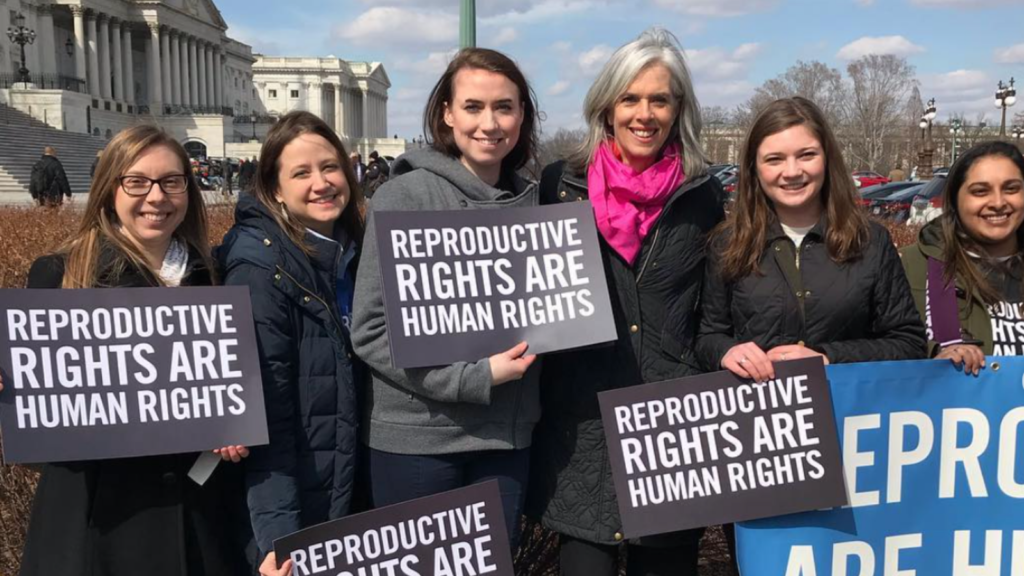
Despite the normative clarity, multiple barriers persist globally and in India. These include:
Legal and policy restrictions
- Restrictive abortion laws or overly limited time frames and grounds for abortion (as in India’s MTP Act) hamper women’s capacity to access safe services.
- Policies that require third-party consent (spouse/parents) or discriminate against unmarried/young women.
- Lack of legislative frameworks recognising adolescents’ rights to reproductive health.
- In India, although the constitutional jurisprudence is progressive (e.g., Puttaswamy), legal reforms (e.g., MTP Act) remain slow to adapt to current realities.
Health system and service delivery gaps
- Insufficient infrastructure, trained personnel, supplies and facilities—especially in rural or marginalised communities.
- Poor quality of care, lack of confidentiality, stigma and discrimination from health providers.
- Unsafe abortion practices due to inaccessible or poor services. In India, the editorial noted that ~78 % of abortions are obtained outside recognised facilities.
Socio-cultural and gender norms
- Deeply entrenched norms about women’s reproductive roles, motherhood expectation, and male control of reproduction.
- Stigma around unmarried women, adolescents seeking reproductive services, or abortion seekers.
- Lack of autonomy in families and societies; women’s voices often marginalised in decision-making.
- UN Women’s statement emphasises that limiting women’s reproductive autonomy affects their ability to participate fully in family, workforce or government roles.20
Economic and geographic barriers
- Poverty, remote location, lack of transport, the cost of services impede access to reproductive health.
- Marginalised communities (e.g., caste, tribes, migrants) face compounded barriers.
Data, monitoring and accountability deficits
- Lack of sex‐ and age‐disaggregated data on reproductive health, making it difficult to target and plan services. UN commentary highlights the need for improved data to guarantee no one is left behind.
Political and ideological backlash
- In recent years, there has been a visible push-back against reproductive rights in many countries—legislative regressions, restrictions on abortion, roll-back of sex education, budget cuts. The Commissioner for Human Rights warns of “regressive trends and attempts to exert control over women’s bodies and sexuality.”
Policy and Legal Imperatives: The Way Forward
To ensure that reproductive rights function as a true cornerstone of women’s human rights, a multi-pronged approach is required. Key imperatives include:
Legal reform and rights-based policy frameworks
- Laws must recognise a woman’s right to decide freely and responsibly on reproduction (number, spacing, timing) and guarantee access to information, education and means. This is a direct formulation from the ICPD.
- For example, India needs comprehensive reform of the MTP Act to account for non-medical reasons, safe abortion access beyond limited time frames, and removal of barriers tied to marital status or spousal/parental consent.
- States must remove laws or policies that criminalise or unduly restrict abortion, contraception or adolescents’ access to services. Human rights bodies call for de-criminalisation of certain reproductive services.21
Strengthening health systems and ensuring service access
- Invest in health infrastructure, trained personnel, security of supply chains for contraceptives and reproductive health commodities.
- Ensure that services are available, accessible, acceptable and of good quality for all women, including marginalised groups.
- Use age- and sex-disaggregated data to monitor gaps, target interventions, and ensure accountability.
Education and empowerment
- Comprehensive sexuality education that is accurate, age-appropriate, gender-sensitive and delivered without discrimination. This is critical for enabling informed choice.
- Information campaigns and community mobilisation to shift harmful gender norms and stigma. UN commentary notes that “changing social norms that limit girls’ and women’s autonomy” is essential.
Equity and inclusion focus
- Special attention must be paid to adolescents, unmarried women, migrants, minorities, women in conflict or humanitarian settings.
- Policies must address intersectionality and ensure non-discrimination in access to reproductive health services.
Accountability, monitoring and rights enforcement
- States must report on their obligations under human rights treaties, make data publicly available, and ensure mechanisms for women’s rights violations including those related to reproductive health. OHCHR’s information series emphasises this need.
- Civil society, rights‐holders and advocacy movements must be engaged in designing, implementing and monitoring reproductive health policies. The IACHR stated that “women and the organisations that represent them should play an active and participatory role in designing all laws and policies related to sexual and reproductive rights.”22
Global and national financing and sustained commitment
- Adequate funding for reproductive health services, including contraceptive supplies, maternal health and abortion care, is essential.
- Integration of SRHR into universal health coverage frameworks and national health planning.
Conclusion
In sum, acknowledging reproductive rights as central to women’s human rights is not merely a rhetorical assertion—it reflects the reality that women’s capacity to decide about reproduction is bound up with their dignity, autonomy, health, equality and participation in society. As international human rights instruments and bodies consistently affirm, reproductive rights are not optional but integral to the human rights framework.
Yet, normative clarity has not translated fully into lived reality. From global shortfalls in contraception, unsafe abortions, maternal deaths, to India’s specific legal, social and service delivery constraints, the gulf remains wide. The struggle is both structural and political: legal reform, health system investment, norm change, monitoring and accountability all play a role.
For women’s human rights to be truly fulfilled, reproductive rights must be effectively realised—not as add-ons, but as foundational rights. The failure to do so undermines not only individual lives but the broader promise of gender equality, sustainable development and human dignity. As UN Women asserts, restricting women’s reproductive autonomy forces some to resort to unsafe methods, with devastating consequences.
Going forward, the path is clear: integrating reproductive rights into the core of human rights protection, linking policy, law and practice, ensuring that no woman is left behind in making choices about her body and her life.
Footnotes
- https://www.un.org/en/chronicle/article/sexual-and-reproductive-health-and-rights-cornerstone-sustainable-development ↩︎
- https://www.un.org/esa/documents/ga/conf177/aconf177-20en.htm ↩︎
- https://www.ohchr.org/sites/default/files/Documents/Publications/Chapter28_MonitoringAndProtecting.pdf ↩︎
- https://www.coe.int/en/web/commissioner/-/protect-women-s-sexual-and-reproductive-health-and-rights ↩︎
- https://un.dk/un-women-statement-reproductive-rights-are-womens-rights-and-human-rights ↩︎
- https://www.hrw.org/topic/womens-rights/reproductive-rights ↩︎
- https://www.un.org/en/chronicle/article/sexual-and-reproductive-health-and-rights-cornerstone-sustainable-development ↩︎
- https://www.who.int/health-topics/sexual-and-reproductive-health-and-rights ↩︎
- https://asro.unfpa.org/en/topics/sexual-and-reproductive-health-and-rights ↩︎
- https://www.un.org/womenwatch/daw/csw/shalev.htm ↩︎
- https://pmnch.who.int/our-work/focus-areas/sexual-and-reproductive-health-and-rights ↩︎
- https://www.who.int/news/item/08-03-2020-women-s-health-and-rights-25-years-of-progress ↩︎
- https://www.drishtiias.com/daily-news-editorials/reproductive-and-sexual-rights-of-women-in-india ↩︎
- AIR 2017 SC 4161 ↩︎
- https://www.coe.int/en/web/commissioner/-/protect-women-s-sexual-and-reproductive-health-and-rights ↩︎
- https://www.who.int/health-topics/sexual-and-reproductive-health-and-rights ↩︎
- https://www.un.org/esa/documents/ga/conf177/aconf177-20en.htm ↩︎
- https://www.who.int/health-topics/sexual-and-reproductive-health-and-rights ↩︎
- https://share-netinternational.org/resources/information-series-on-sexual-and-reproductive-health-and-rights-united-nations-office-of-the-high-commissioner-for-human-rights ↩︎
- https://un.dk/un-women-statement-reproductive-rights-are-womens-rights-and-human-rights ↩︎
- https://ganhri.org/resources/handbook-on-nhris-and-reproductive-rights-ohchr-dihr-unfpa ↩︎
- https://www.oas.org/en/iachr/media_center/PReleases/2015/024.asp ↩︎
Author

About the Author